




Benefits of a Health App for Patients & Doctors

 Updated on Dec 08, 2025
According to a study by research firm IDC, the global healthcare app market will grow from $4.2 billion in 2016 to more than $11.5 billion by 2020. This is due in part to the increasing popularity of mHealth technology – apps that are used on mobile devices.
This blog post will discuss some of the key benefits of healthcare apps for patients and doctors.
What is mHealth?
Healthcare app development encompasses various technologies that fall under the mHealth umbrella, as defined by the World Health Organization. The organization describes mHealth as “the utilization of mobile technologies to enhance healthcare services and achieve better public health outcomes.” This encompasses apps that run on smartphones or tablets, wearable devices like fitness trackers, and telemedicine technology that enables remote video consultations with professionals.
Benefits of Health Apps
A healthcare app can bring numerous benefits to both patients and doctors, whether it is built by an in-house team or through software outsourcing services. The key advantages for both patients and doctors remain the same regardless of the development team.
-
Convenience
One major benefit for patients is convenience. Patients can easily access their healthcare information, schedule appointments, and communicate with their healthcare providers from their homes. This saves time and hassle for both the patient and the provider.
-
Higher accuracy in healthcare management
Apps can allow patients to easily track their health data, such as blood pressure and blood sugar levels. This can lead to better healthcare management and more accurate information for doctors during appointments. Additionally, apps often have features that allow patients to schedule appointments or refill prescriptions with just a few clicks on their phones.
-
Improved decision-making process
The other major benefit is their ability to provide patients with access to their personal health information at any time. This allows for improved decision-making regarding healthcare choices, as patients have all the necessary information readily available.
-
Enhanced efficiency
Apps offer improved efficiency and convenience for both patients and doctors. Patients can easily schedule appointments, refill prescriptions, and receive test results all through their app. This saves time for both the patient and doctor, as they don’t have to spend time on administrative tasks or in-person visits.
-
Real-time video communication
The other key benefit for patients is the ability to have real-time video communication with providers, such as virtual doctor visits. This can save time and eliminate the need for in-person appointments for non-emergency issues. It also allows healthcare access for those who live in rural areas or have limited transportation options.
-
Enhanced self-management of chronic conditions
Lastly, the other benefit for patients is improved self-management of chronic conditions. With healthcare apps, patients are able to track and monitor their health data, set reminders for medication and appointments, and easily access important healthcare information. This can lead to better management of chronic illnesses and overall improved healthcare outcomes.
How mHealth Can be Used
The opportunities for mHealth in healthcare are vast and constantly evolving. Here we look at the major ways mHealth can be used:
-
Creating patient charts
mHealth has the ability to create and access patient charts through apps easily. This allows for a more streamlined and efficient process, as providers can quickly update and access patient information anytime and anywhere.
In addition, it can also allow for easier communication between healthcare providers and their patients. Through the use of secure messaging features, providers can easily communicate with their patients about appointments or follow-up care.
-
Building mobile portals for healthcare
mHealth helps create apps that give patients easy access to their healthcare information. Many apps allow patients to securely log in and view their medical records, schedule appointments, refill prescriptions, and even communicate with their healthcare providers via secure messaging. This saves time for patients who can easily access their healthcare information on the go and helps streamline healthcare communication and organization for doctors.
-
Image sharing
One of the major benefits is the ability to share images with healthcare providers. This can be helpful in cases where a patient needs to show their provider a rash or injury without needing to schedule an in-person appointment.
This can save time and make healthcare more convenient for both the patient and the provider.
Additionally, providers can use apps to securely send images or documents to other providers for consultation or second opinions. This helps improve communication and collaboration between professionals, ultimately leading to better patient care.
-
Database of educational materials for patients
mHealth allows for healthcare apps that facilitate access to a database of healthcare and medical information. This can include educational materials such as articles, videos, and even virtual consultations with professionals. Patients can use these resources to better understand their conditions, treatment options, and potential side effects.
This type can also serve as a tool for healthcare professionals. Doctors can use apps to access patient information, track their progress, and stay up-to-date on the latest medical research and advancements.
-
E-prescriptions making healthcare
mHealth can be used to send and receive prescriptions electronically. This not only saves time for professionals, but it also reduces the risk of medication errors from illegible handwriting or mix-ups at the pharmacy. According to a study by Surescripts, e-prescribing can save providers $290 per prescription and can cut healthcare costs by $78 billion over a decade.
Patients also benefit from e-prescribing because they have easier access to their prescriptions and can refill them more quickly. In addition, apps often allow patients to view their medication lists and dosage instructions in one place, giving them better control over their healthcare.
-
Pills identification and dosage
mHealth offers the ability to identify and track medications easily. Many apps allow patients to input their medication information, including dosage and frequency, which providers can then access during appointments or emergencies. This can also help prevent medication errors and improve adherence to prescriptions.
Final Thoughts
Overall, healthcare apps offer a variety of benefits for both healthcare providers and patients. From improved access to information to better communication between healthcare teams, mHealth technology has the potential to improve healthcare outcomes and empower individuals to manage their own health. If you have not already explored the options, it may be worth considering how mHealth technology can benefit you and your healthcare journey.


Related articles

AI Route Optimization: How It Works, Benefits, and Use Cases 2026
 Quy Truong - Software Architect
  14 Oct 2026
Student Information System: A 2026 Guide for Schools
09 Oct 2026 
Insurance Portal Development in 2026: Types, Features, Cost
07 Oct 2026 
Insurance Claims Automation in 2026: Build, Buy, or Hybrid
01 Oct 2026 
IoT in Healthcare: How Healthcare IoT Systems Work in 2026
25 Sep 2026 
AI in Real Estate: 9 Use Cases and How to Build It (2026)
16 Sep 2026 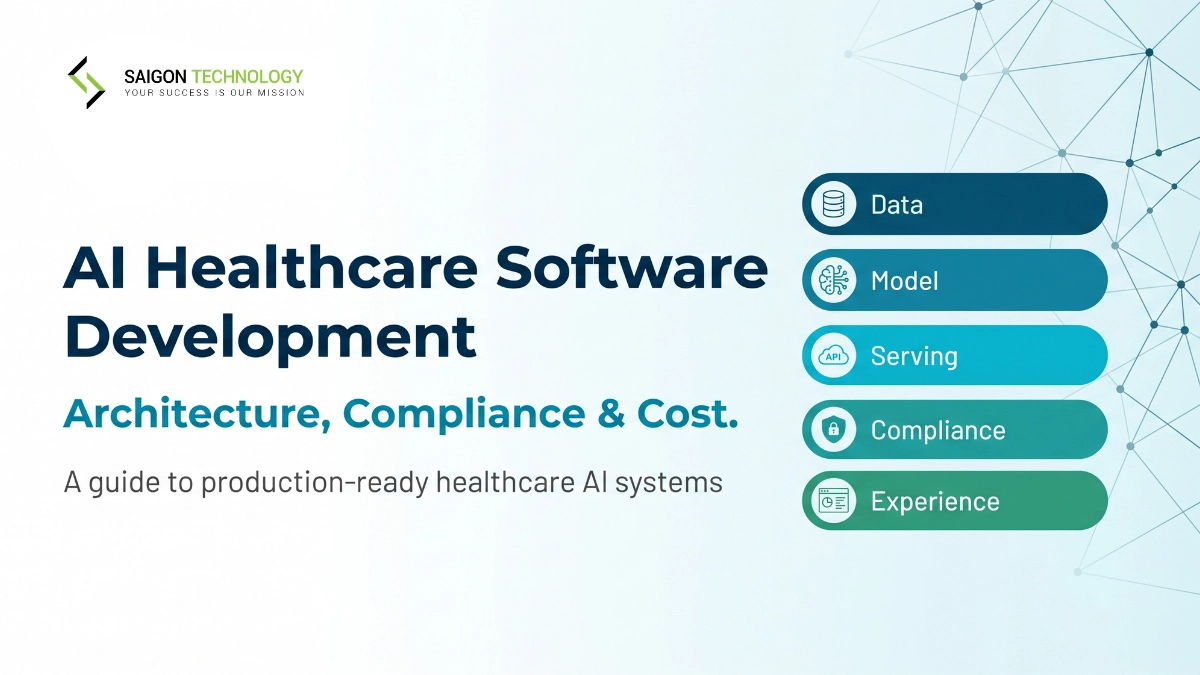
AI Healthcare Software Development: Architecture & Cost
13 Sep 2026 
8 Fintech Software Development Trends Reshaping 2026
26 Aug 2026 
Healthcare Chatbot Development: The Complete 2026 Guide
19 Aug 2026