-
OVERVIEW
-
SERVICES
-
MODELS
-
WHY CHOOSE US ?
-
OUR PROCESS
-
TECHNOLOGIES
-
FAQS
What Is Data Modernization? An Overview
Data modernization is the process of upgrading legacy data systems, architectures, and pipelines into modern, cloud-native platforms that support real-time analytics, strong governance, and AI readiness. It goes beyond moving data, it transforms how your organization stores, governs, and uses information.
Most enterprises are slowed by the same business challenges:
- Legacy applications and legacy databases that lock data into silos and inflate maintenance cost.
- Fragmented systems and manual data processes that delay reporting and erode data quality.
- Rising infrastructure and operational costs with limited data accessibility.
- Stalled AI initiatives caused by poor AI readiness and untrusted data.
The stakes are real. Gartner has reported that organizations will abandon a large share of AI projects through 2026 when they are not supported by AI-ready data, proof that a weak foundation blocks your business goals before a single model ships.
Modern data modernization services solve this by consolidating data, breaking data silos, and creating a modernized platform that delivers faster access to insights and measurable performance and productivity gains.
Data Migration vs. Data Modernization
These terms are often confused:
- Data migration moves data from one system to another.
- Data modernization is broader, it re-architects your pipelines, governance, and analytics layer for long-term scalability and AI readiness.
In practice, data migration is usually one step inside a larger modernization program.

Our Data Modernization Services
Data Modernization Strategy & Assessment
Legacy System & Database Modernization
Cloud Data Migration & Warehousing
Data Pipeline & ETL/ELT Modernization
Data Platform & Lakehouse Engineering
AI/ML & Analytics Enablement
Data Governance, Security & Compliance
Data Modernization Consulting & Support
Data Modernization Case Studies
Elderly Health Tracking Platform - Real-Time Health Data, Unified
- A healthcare client needed continuous monitoring of seniors' vitals across disconnected Bluetooth devices and manual data processes.Â
- What we did: Built a mobile platform that unifies high velocity BLE/IoT device streams (SpO2, heart rate, blood pressure, weight) into a single, secure record with real-time anomaly detection and caregiver alerts.Â
- Stack: React Native, MongoDB, BLE, AES-256 encryption, admin dashboard for remote monitoring.Â
- Outcome: Faster emergency response, eliminate silos across devices, and HIPAA-aligned data quality, giving families and clinicians faster access to insights.Â
- Read the full case study (PDF) →
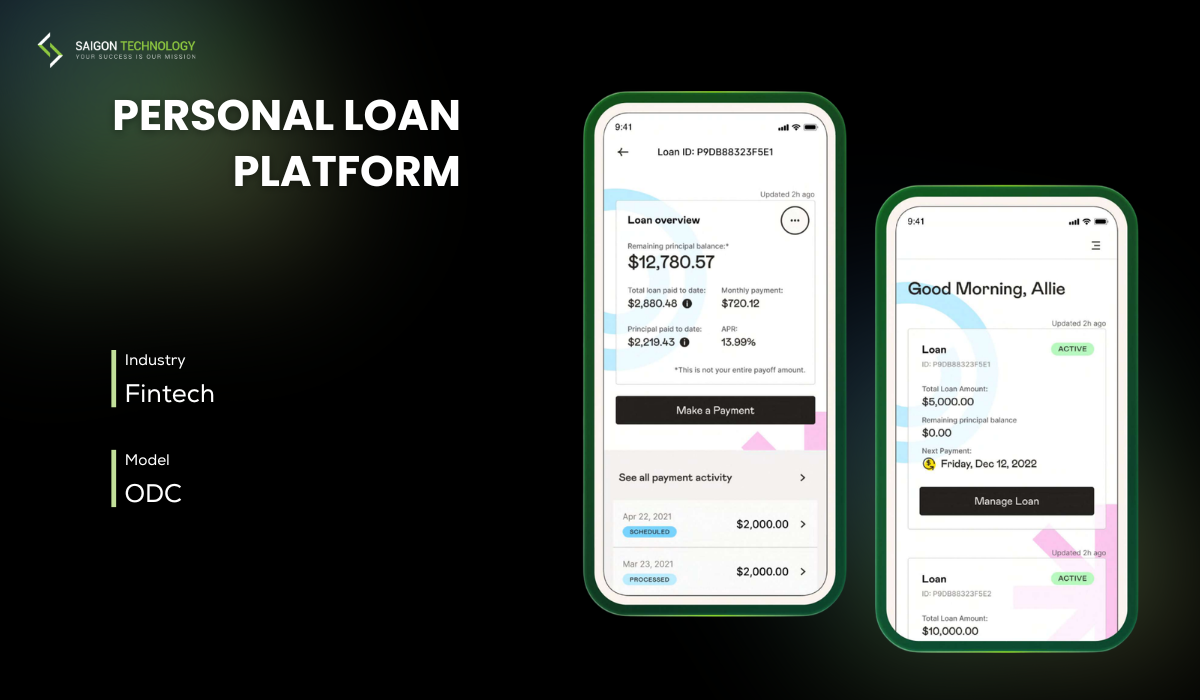
Personal Loans Application - From Manual Lending to Modern Data Pipelines
- A US fintech lender relied on fragmented systems and slow, error-prone verification across many third-party sources.
- What we did: Replaced manual workflows with automated data migration and modern pipelines that integrate and normalize fragmented data from Plaid, GIACT, Oscilar, and Equifax for real-time fraud scoring and underwriting.
- Stack: Java/Spring Boot, AWS (DynamoDB, S3, Redis), Apache Kafka event streaming, AWS Cognito, Terraform, CI/CD.
- Outcome: A reliable, compliant data pipeline with full audit trails, improving performance and productivity and reducing business continuity risks.
- Read the full case study (PDF) →
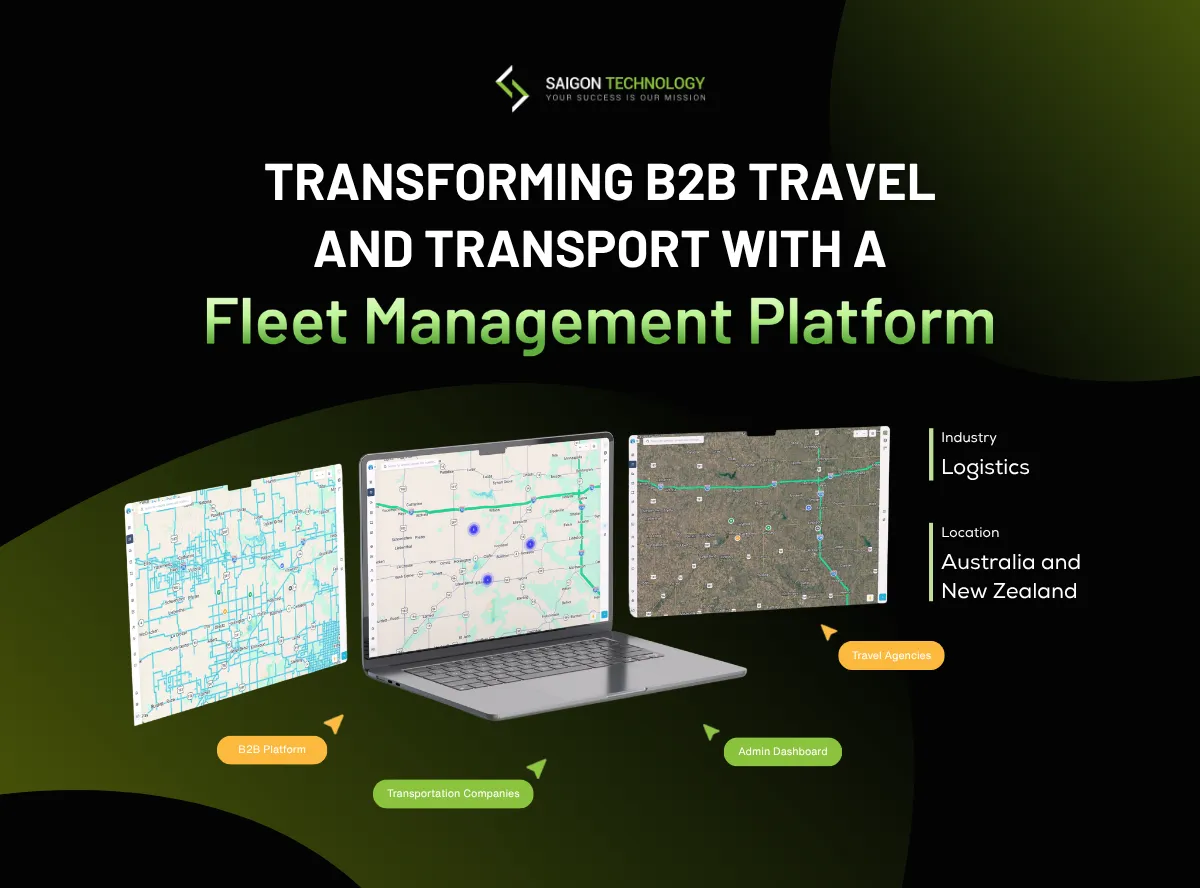
Fleet Management Platform - Consolidating Legacy Systems into One
- An Australia/New Zealand transport leader was stuck with legacy systems, spreadsheets, and disconnected tracking tools.
- What we did: Consolidated fragmented systems into one centralized B2B platform with real-time GPS/IoT data, data consolidation across three database engines, and microservices replacing brittle legacy components.
- Stack: React, Spring Boot, PostgreSQL + MongoDB + MSSQL, Apache Kafka, Docker, Kubernetes, ESB integrations.
- Outcome: One platform for three user types, reduction in manual effort, and stronger oversight through standardized, reliable data.
- Read the full case study →
Send Us Your Legacy Data Stack. Get a Modernization Blueprint.
- Current-state data map - your sources, data silos, pipelines, and undocumented dependencies, visualized end to end
- Target-state architecture direction - warehouse vs. lakehouse vs. data mesh, cloud platform, and governance model for your data
- Migration risk & fit-gap analysis - what moves first, what's high-risk, and how we de-risk it phase by phase
- Engineer-led recommendation call - with our data team, so you invest only where the payback is clear
Why Choose Saigon Technology for Data Modernization?
We are an engineering-led partner. Where many vendors resell a single tool, we build and migrate the data platforms, and the applications on top of them, that your business actually runs on. That distinction is why clients trust us with complex modernization strategies.Â
The result: a partner who can accelerate your time to value while managing complexity, cost, and risk across the entire modernization journey.Â
Deep, certified delivery
ISO 9001 and ISO 27001 certified, with strict security policies, NDAs, and full IP ownership transfer on completion.
Compliance as a first-class concern
Hands-on experience meeting GDPR, HIPAA, PCI-DSS, and CCPA requirements, critical when modernization touches regulated data.
Cost-effective scale
400+ engineers at competitive Vietnam rates, reducing your infrastructure and operational costs without sacrificing quality.
Senior-led teams
Dedicated Project Managers, Tech Leads, and Software Architects allocate the right cloud infrastructure and target state platforms from day one. View more: Our People
Low-risk engagement
A 2-week risk-free trial plus five flexible engagement models (Staff Augmentation, Dedicated Team, Fixed Price, ODC, BOT).
Global, timezone-friendly delivery
Offices in the US, Australia, and Singapore, with teams fluent in English and experienced across 350+ clients worldwide.
A workplace that retains talent
Recognized as a Great Place to Work® Asia 2023, with a low turnover rate that keeps your project knowledge in-house.
Our Clients
What Our Clients Say
Industries We Serve
Our data modernization solutions adapt to the data realities of each sector:
Benefits of Data Modernization
A modern data foundation delivers measurable outcomes:
Faster access to insights and reduced reporting time through real-time analytics
Decisions stop waiting on overnight batch jobs. Real-time analytics and modern pipelines give your teams faster access to insights and far shorter reporting cycles.Â
Reduced manual effort and higher productivity through data process automation
Replacing brittle manual data processes with automation cuts repetitive work and human error, freeing your people for higher-value analysis and improving performance and productivity.
Lower infrastructure and operational costs with cloud-native platforms
Migrating off aging legacy systems to cloud-native platforms trims licensing, maintenance, and overhead. Organizations commonly achieve 20-50% reductions in infrastructure and operational costs after modernization.
Eliminated data silos and stronger data accessibility through consolidation
Data consolidation breaks down data silos and unifies fragmented sources into one trusted layer, giving every team stronger, governed data accessibility.
Improved data quality and business-wide trust in your data
Standardized, validated, and well-governed data raises data quality across the board, so reports, dashboards, and models all draw from a single source of truth the business can trust.
Scalability and elasticity across hybrid and cloud-native infrastructures
Modern platforms scale up and down on demand, delivering scalability and elasticity across hybrid infrastructures and cloud-native platforms without re-architecting every time you grow.
AI readiness with clean, governed data for analytics and BI
Modernization makes your data AI-ready, clean, governed, and accessible, so AI/ML and business intelligence tools can actually use it to drive decisions.
Stronger governance, security, and compliance that reduce business continuity risks
Embedded governance, security, and compliance, with controls aligned to GDPR, HIPAA, PCI-DSS, and CCPA, protect regulated data and reduce business continuity risks during and after modernization.
Our Data Modernization Process
Assess & Audit
Map your tool landscape, legacy databases, and undocumented dependencies.
Strategy & Roadmap
Define the data strategy, platform strategy, and target state architecture plan aligned to your business goals.
Architecture & Design
Select the optimal cloud infrastructure and patterns (warehouse, lakehouse, or data mesh).
Migration & Engineering
Re-platform workloads, containerize data assets, and rebuild pipelines.
Governance & Security
Apply RBAC, masking sensitive data, isolating environments, and automated compliance.
Validation & Testing
Verify data quality, workload performance, and reliability.
Launch & Optimization
Deploy, monitor, and continuously tune for performance and productivity.
Our Insights
FAQs
What is data modernization, and what are some examples?
Data modernization upgrades legacy data systems into modern, cloud-native platforms that support real-time analytics, governance, and AI. Examples include migrating legacy databases to Snowflake, Databricks, or Azure Synapse, modernizing ETL pipelines, and replacing static reports with Power BI dashboards.
What is the difference between data migration and data modernization?
Data migration moves data from one system to another. Data modernization is broader, it transforms your architecture, pipelines, governance, and analytics for long-term scalability and AI readiness. Migration is usually one step within a larger modernization program.
What are the top challenges of data modernization?
The most common are poor data quality, complex legacy systems with undocumented dependencies, data silos, skill gaps, governance, security, and compliance requirements, and business continuity risks during migration. A phased approach reduces these risks.

How long does a data modernization project take?
It depends on scope. Smaller migrations often run 6-9 months, while enterprise programs span 18–24 months, delivered in phases. Project timelines are driven by data volume, complexity, and integration needs, a current-state assessment gives the most accurate estimate.
How much does data modernization cost?
Costs range from tens of thousands of dollars for focused projects to several million for enterprise-wide programs. Key factors include data volume, platform licensing, migration complexity, and governance. Most organizations offset this through 20-50% reductions in infrastructure and operational costs.
How do you ensure data security during modernization?
Security is built into every stage: encryption at rest and in transit, role-based access controls (RBAC), masking sensitive data, isolating environments, and continuous monitoring. We validate GDPR, HIPAA, PCI-DSS, and CCPA compliance before and after migration.
What are the 7 R's of modernization?
The 7 R's are a framework for choosing a modernization strategy per workload: Rehost, Relocate, Repurchase, Replatform, Refactor, Retain, and Retire. They help prioritize modernization strategies by business goals, cost, and complexity.
What is a data lakehouse or data mesh?
A lakehouse combines a data lake's flexibility with a warehouse's structure for unified analytics. A data mesh is a decentralized approach built on domain ownership, data as a product, self-service analytics, and federated unified governance.
Why choose an offshore partner like Saigon Technology?
You gain a team of 400+ ISO-certified engineers at competitive rates, a 2-week risk-free trial, full IP ownership, and timezone-friendly delivery, combining cost efficiency with the engineering depth needed for successful data transformation.