-
OVERVIEW
-
SERVICES
-
MODELS
-
WHY CHOOSE US ?
-
OUR PROCESS
-
TECHNOLOGIES
-
FAQS
Software Project Rescue at Saigon Technology
One architect owns the plan: on every software development project rescue we take on, Quy Truong, our Senior Solution Architect, sets the order of work by what blocks your users, so the first sprint fixes the failures that cost you revenue.
AI maps the code, seniors decide: our engineers use AI tooling to map an inherited codebase and draft tests for modules that have none, and a senior engineer reviews every change. Rescue work runs at our published $22-$46/hr.
Controls your security team can check: we deliver under ISO 9001 and ISO/IEC 27001, both certified by BSI, with HIPAA and PCI-DSS requirements met where the workload needs them, so a regulated product keeps its safeguards through the handover.
Same engineers, or a clean handback: after stabilization, the engineers who fixed your product keep building it, or they hand over documentation and access so your own team ships alone. Turn It Blue Ads has kept the same engineers since 2022.
Who we build for
- Funded startups: turn a demo-grade or AI-built prototype into an MVP that holds up with real users.
- Mid-market companies: keep a business-critical system running after its developers leave, with a dedicated team that stays on it.
- Software companies, SaaS vendors & agencies: make releases routine again with staff augmentation inside your sprints, or white-label delivery for inherited client work.
- Enterprise teams: recover a stalled program without stopping operations, delivered through your own ODC in Vietnam.
Our Software Project Rescue Services
Rescue Assessment and Recovery Plan
Software Project Takeover
Release and Integration Stabilization
Prototype and AI-Generated Code Cleanup
Moving Off Unsupported Frameworks
Case Studies: Projects We Took Over, Stabilized, and Kept Running
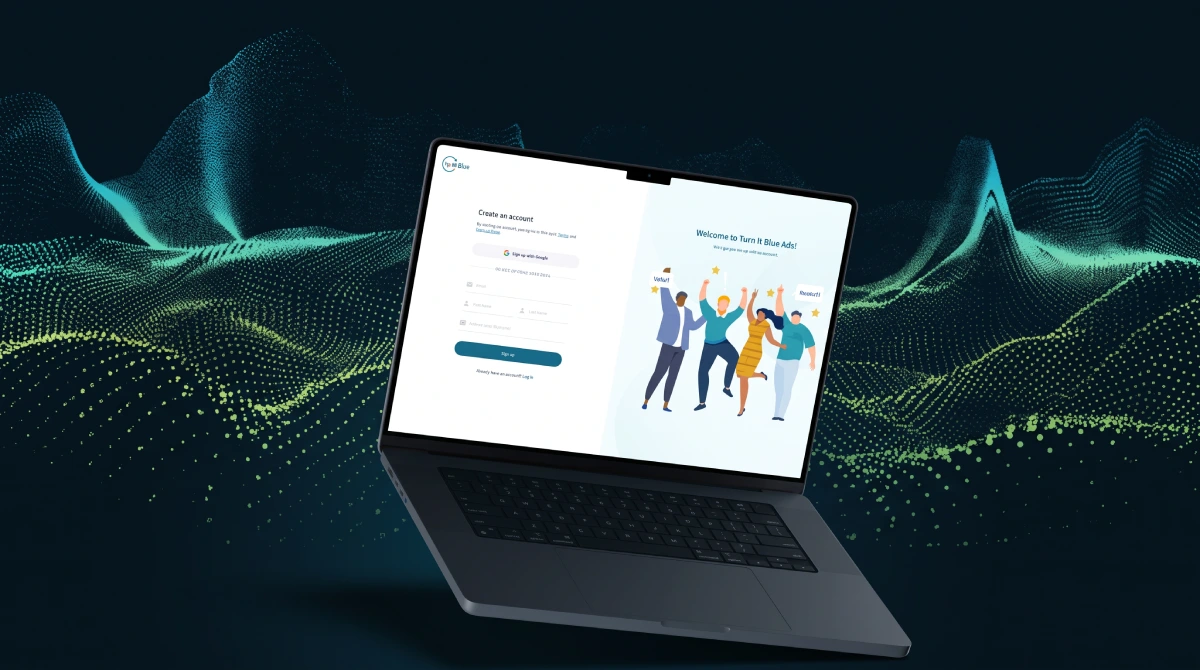
Turn It Blue Ads: A Failed Vendor Replaced While the Platform Kept Trading
- Challenge: in 2023, the demand-side platform behind this programmatic advertising product ceased operations, taking live campaigns and historical reporting with it.Â
- What we built: a new demand partner, migrated data, and a partner-agnostic backend with per-partner feature flags.
- Engagement / timeline: fixed price, then maintenance, enhancement, and a dedicated team, across five years of continuous partnership since 2022 with the same engineers.Â
- Outcome: the client kept trading, with more than 60 delivery items in the partner-agnostic program and more than 130 maintenance and support items closed.Â
- Stack: .NET Core, React, PostgreSQL, AWS, Hangfire.Â
- Read the Turn It Blue Ads case study
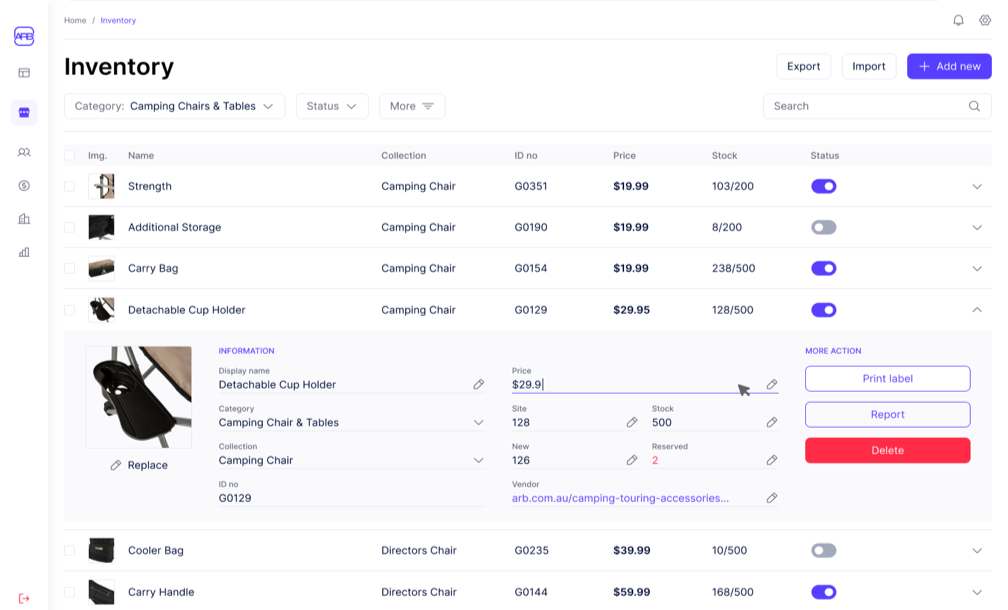
ARB Australia: An Unmaintained App Moved to One Supported Codebase
- Challenge: an unmaintained Ionic and Angular app, slow and hard to staff, on a restricted budget.
- What we built: a scan-gun-compatible warehouse app with QR import, label printing, and cycle count flows, on one React Native codebase.
- Engagement / timeline: flexible hourly terms, with a React Native developer and a part-time DevOps engineer.
- Outcome: one codebase replaced two, so maintenance and support got simpler.
- Stack: React Native, REST API, Azure DevOps, Oracle Cloud, CI/CD pipeline.
- Read the ARB Australia case study
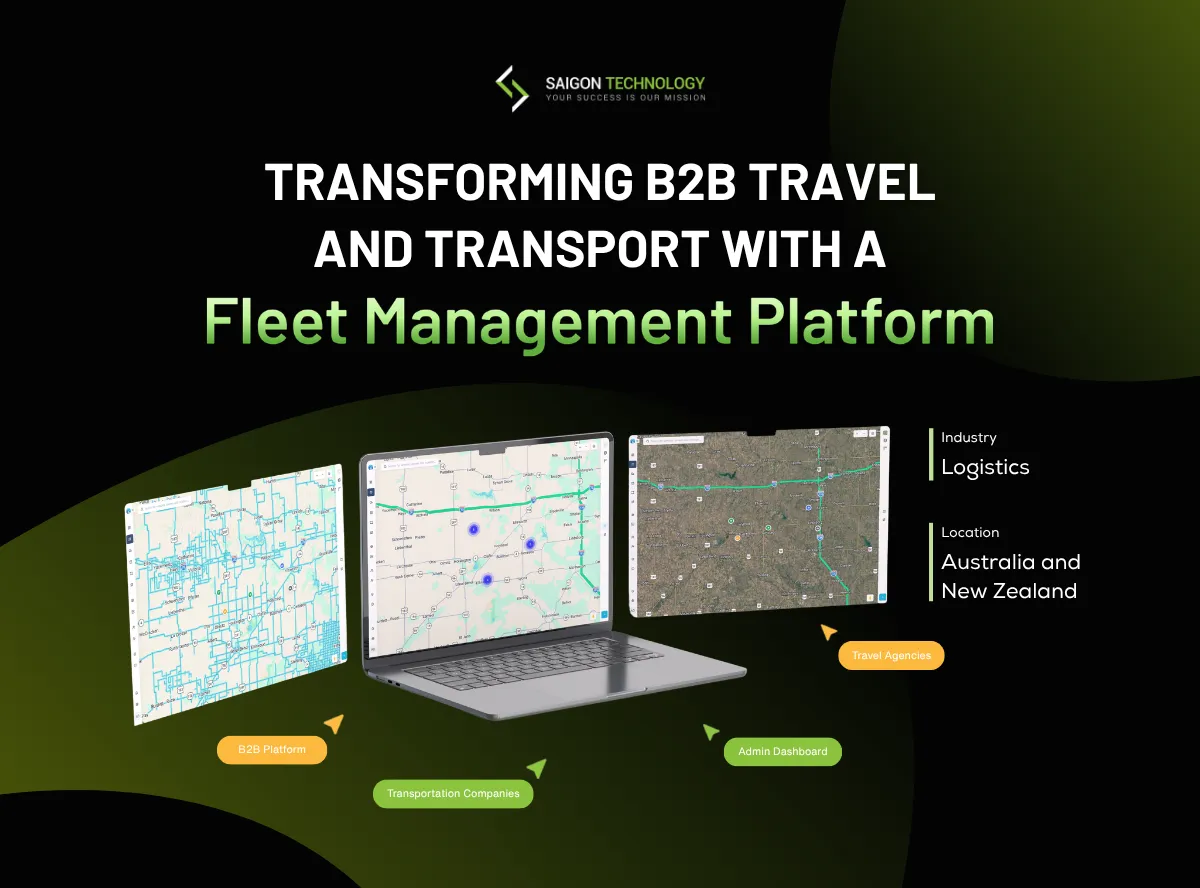
Fleet Management Platform: A Manual Prototype Turned into a Production B2B Platform
- Challenge: a vehicle leasing and transport company in Australia and New Zealand ran its prototype on manual work and disconnected systems.
- What we built: one B2B platform for agencies, transport companies, and admins, with role-based access, GPS tracking, payments, and an enterprise service bus.
- Engagement / timeline: a hybrid model, delivered in three months on AWS.
- Outcome: three user groups on one platform, with full visibility into fleets and bookings.
- Stack: React, Spring Boot, Apache Kafka, Apache Camel, PostgreSQL, MongoDB, Keycloak, Docker, Kubernetes.
- Read the Fleet Management Platform case study
Get a Recovery Plan Before the Quote
Why Choose Saigon Technology as Your Software Project Rescue Company?
A good rescue partner reads an unfamiliar codebase before proposing anything, fixes what blocks users first, and says plainly whether the code is worth saving. Saigon Technology pairs senior engineers with AI tooling, publishes its rates, and keeps the same team on afterward.Â
Senior Engineers Who Can Read Someone Else's Code
Our published rate is $22-$46/hr, with senior engineers leading every rescue. Junior-heavy teams patch the symptom they can see, and at onshore rates the audit and missing tests get cut first. Our teams overlap 10-12 hours with US time zones.Â
An Assessment That Ends in a Work Breakdown
Many rescue quotes are written before anyone reads the code, which is how recoveries go over budget twice. We assess your codebase and stack at no charge and carry the result through to a work breakdown structure, so the price matches the repository.
The Team That Fixes It Stays to Run It
Rescues fail again when the people who learned the system leave. Saigon Technology ranked #10 in the Southeast Asia Best Workplacesâ„¢ in Technology 2026 (Medium category, Great Place To Work), and on Turn It Blue Ads the same engineers are still on the platform five years later.
You Own the Code, the Access, and the Documentation
Full IP and source-code transfer is a standard contract term. Credentials and cloud accounts move to you during the takeover, so a later vendor change doesn't lock you out, and we sign an NDA whenever you ask for one.
When Rescue Is the Wrong Call
Some codebases cost more to save than to replace, and we'll say so after the audit. Our guide to deciding between rebuilding and refactoring shows how we weigh the trade-off for your stack.
ISO 9001 and ISO 27001, Certified by BSI (UK)
Inherited repositories, credentials, and customer data are handled under ISO 27001 information security controls from the first day of the takeover. As a Microsoft Solutions Partner, we work daily across Azure and the wider Microsoft stack.
14+ Years · 400+ Developers · 850+ Projects · 350+ Clients · 3 Development Centers
Our rescue engagements stay under NDA, so we show verifiable work on takeovers and platform recoveries instead of a rescue metric we can't publish. The three case studies above are the place to start.
Two-Week Risk-Free Trial and Developer Replacement
Start with a two-week risk-free trial on one workstream. A developer who isn't the right fit, or leaves mid-project, is replaced at no extra cost. Continue with a dedicated team, staff augmentation, fixed price, or an ODC.

Trusted by Global Clients
What Our Clients Say
Industries We Serve
What Changes After a Rescue
A rescue earns its cost when your team can ship again without bracing for incidents. Most codebases hold salvageable modules worth keeping, and these changes show up first:Â
Calmer releases
A tested pipeline replaces the manual deploy and the long night.
Safer integrations
Outside services fail without taking your product down.
Readable code
The missing documentation exists, so new engineers stop reverse-engineering the system.
Kept investment
Salvageable modules stay, so the budget goes to what is broken.
Our Rescue Process
Code and delivery audit
We read the repository, run the build, and interview whoever still knows the system. Exit criterion: an approved audit summary and work breakdown.Â
"When we take over a stalled project, we don't start by rewriting it. We map what the code actually does, which tests exist, and who still knows why it was built that way. Most rescues keep more of the codebase than clients expect." Quy Truong, Senior Solution Architect, Saigon TechnologyÂ
Triage
Each issue goes to fix now, fix later, or leave alone. Exit criterion: a recovery plan your stakeholders sign.
Critical fixes
Failures that block users, revenue, or releases come first. Exit criterion: no critical defects on the main flows.
Stabilization
Regression tests, CI/CD, and monitoring go in, then user acceptance testing with your team. Exit criterion: releases pass the pipeline without manual fixes.

Handover or continued development
Your team takes the knowledge and access, or our engineers keep building. Exit criterion: the receiving team ships one change alone.
Long-term support
Monitoring, fixes, and feature enhancements through our maintenance and support team.

Our Insights
FAQs
How much does software project rescue cost?
Our published rate is $22-$46/hr, and projects start from $10,000. The total depends on codebase size, existing test coverage, and how many outside systems are involved. Because the first assessment costs nothing and ends in a work breakdown, the quote reflects code we have read.Â
How long does it take to rescue a failing software project?
The timeline comes from the work breakdown produced by the audit, so it reflects your real recovery scope instead of a guess. Critical fixes come first, then stabilization. Fleet Management Platform went from a manual prototype to production in three months, an example rather than a quote.
Should we rescue the existing code or start over?
Rescue it when most modules work, the stack is still supported, and failures cluster in a few places; start over when the core design blocks every change. Missed milestones, recurring defects, missing documentation, and scope drift, usually traced to technical debt, are the signs to audit first. Our written recommendation after the audit prices each path.
Can you take over a project from another vendor or freelancer?
Yes. A software project takeover begins by moving repositories, cloud accounts, credentials, and third-party keys to accounts you control. We then rebuild the working environments, document what the previous team left unwritten, and keep the same engineers on your product for as long as you need them.
Can you fix AI-generated or vibe-coded software?
Yes. Vibe coding cleanup starts with how the AI-built code behaves with real users, real data, and edge cases. We add tests and access controls, restructure the modules that break each other, and keep the parts that work, so you build on the prototype.
How do you protect our code, data, and credentials during a takeover?
We work under ISO 27001 information security controls certified by BSI, apply role-based access to every repository and environment, and sign an NDA whenever you ask. All IP and source code transfer to you, and HIPAA and PCI-DSS requirements are met where the workload needs them.
What technologies can you take over?
We take over the stacks most stalled projects run on, including declining frameworks such as Ionic:
| Area | What we work with |
|---|---|
| Back end | .NET, Java, Spring Boot, Node.js, Python |
| Front end | React, Angular, Vue.js, TypeScript |
| Mobile | React Native, Flutter, iOS, Android |
| Cloud and DevOps | AWS, Azure, Google Cloud, Docker, Kubernetes |
| Data and messaging | PostgreSQL, SQL Server, MongoDB, Apache Kafka |
What does a software project rescue company do?
A rescue partner takes over a struggling product, audits its code and delivery process, and fixes the failures that block users or releases. It then stabilizes the system with tests, pipelines, and monitoring, and keeps developing it or hands it back in working order. Some teams call this IT project rescue.