-
OVERVIEW
-
SERVICES
-
MODELS
-
WHY CHOOSE US ?
-
OUR PROCESS
-
TECHNOLOGIES
-
FAQS
Software Consulting That Ends in Working Software
Advice from a team accountable for the build: The architects and analysts who shape your plan can stay to build and maintain it. Turn It Blue Ads has kept the same team for five years since 2022, moving from fixed price to maintenance, enhancement and a dedicated team.
Requirements settled before anyone quotes: A Business Analyst joins from day one, turns loose ideas into functional modules and agrees the MVP scope before the estimate. Loan City arrived with AI-generated requirements and went live after a 3-month initial build with a 9-member senior team.
Recommendations that start from your current system: We assess what you run before recommending changes, then replace only what no longer serves you. ARB Australia's unmaintained Ionic app became a React Native app whose web and mobile versions share one source code.
Your idea and code stay protected: An NDA is signed before requirements are shared, and code and IP are assigned to you as work is delivered, so early product ideas and architecture documents stay yours.
You see every decision as it is made: One named Project Manager works with you directly, and your team gets Jira and code repository access to follow findings, estimates and changes, and to talk with the engineers.
Who we build for
- Mid-market companies: Turn a stalled roadmap into a costed plan, then add senior engineers through staff augmentation.
- Software companies, SaaS vendors & agencies: Get an independent architecture review before you commit a release or a client build.
- Enterprise teams: Replace legacy systems in planned stages, with delivery through an offshore development center.
Our Software Development Consulting Services
Software Architecture Consulting
Requirements & Business Analysis
Requirements and business analysis turns ideas, AI-drafted documents or old specifications into functional modules, a triaged MVP scope and a backlog with effort per role. You get an estimate built on agreed scope. For Loan City, our Business Analyst defined the business logic, scoring model and matching rules per lender type before development started.
"AI-written requirements often look complete until you ask who approves a loan, what happens when it is rejected and which team owns the data. I settle those rules first, because every architecture decision after that depends on them."Â - Trung Le, Business Analyst, Saigon Technology
Software Stack Assessment
Modernization Roadmapping
Technology and Product Selection
Case Studies: Advice Followed by Delivery
Loan City: From AI-Generated Requirements to a Live Lending Platform
- Challenge: A Singapore startup brought AI-generated requirements and needed a roadmap and a stack choice.Â
- What we built: A two-week consulting and discovery engagement that set the MVP scope, stack and work breakdown, then admin, lender and borrower portals around a rule-based matching engine.Â
- Engagement / timeline: A 9-member senior team with one Business Analyst, a 3-month initial build at fixed price, then an ODC after go-live.Â
- Outcome: 50+ lenders and 2,000+ borrowers onboarded within three months of launch, with loan approval 60% faster than the prior manual process.Â
- Read the full case study
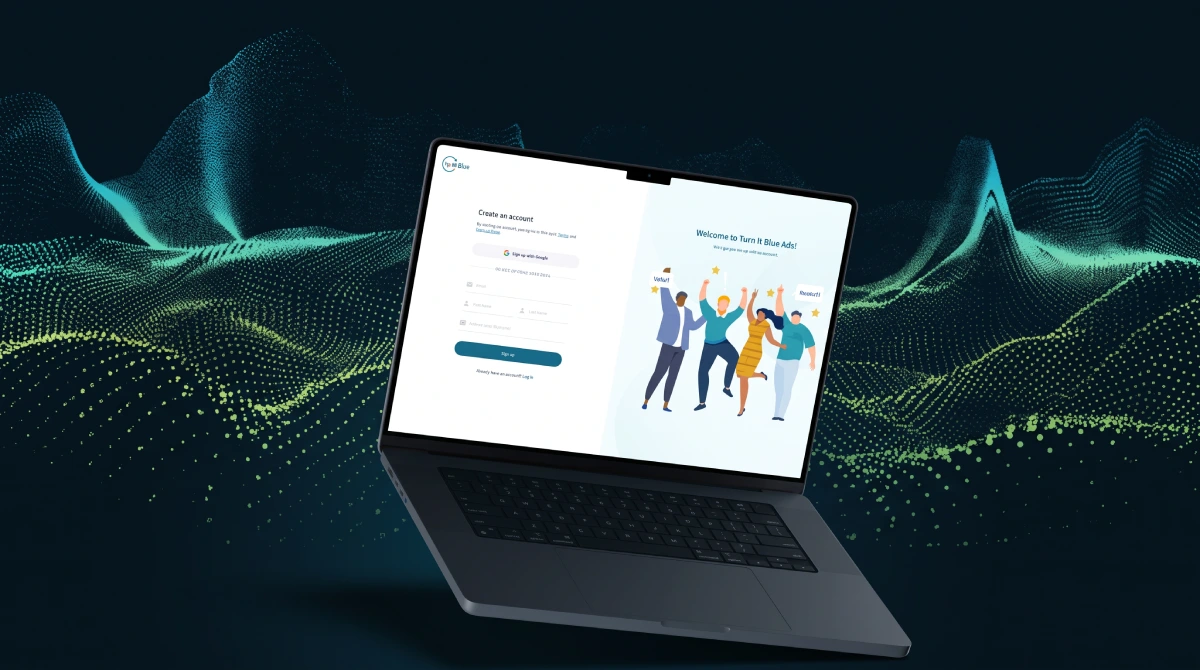
Turn It Blue Ads: A Platform Rebuilt Around Changing Partners
- Challenge: The demand partner behind this self-service programmatic ad platform ceased operations in 2023.
- What we built: A partner-agnostic backend and consolidated analytics, delivered through more than 60 delivery items.
- Engagement / timeline: Five years with the same team since 2022, moving from fixed price to maintenance, enhancement and a dedicated team.
- Outcome: Partners are reconfigured in under a minute, and more than 130 maintenance items have been closed since 2022.
- Stack: .NET Core, React, PostgreSQL, AWS, Hangfire.
- Read the full case study
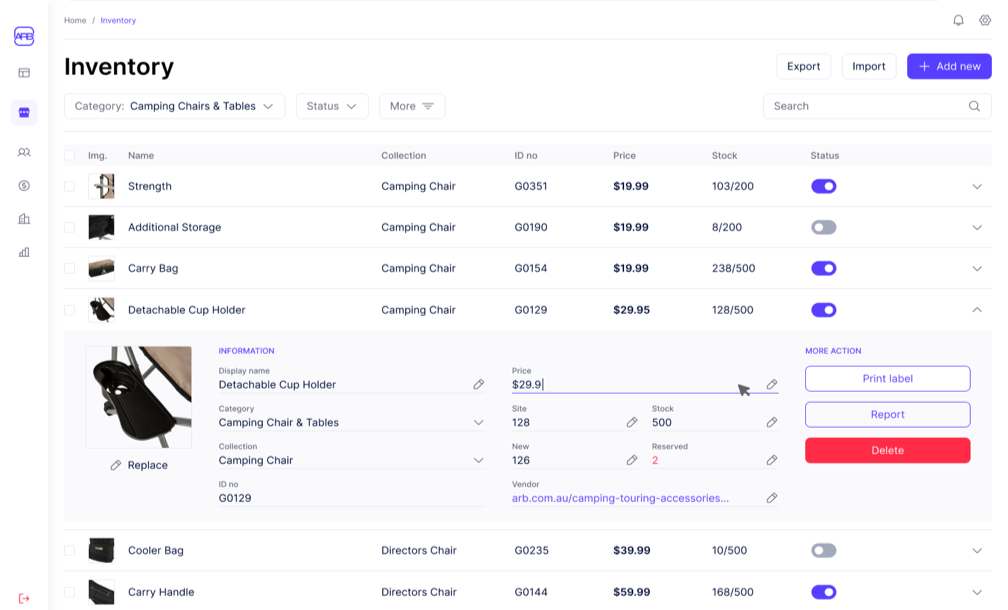
ARB Australia: Web and Mobile Built From the Same Source
- Challenge: A warehouse app written in Ionic had gone unmaintained and showed performance issues that made support hard.
- What we built: A React Native app for scan-gun warehouse work, covering QR import, label printing, cycle count and transfer, plus a CI/CD pipeline.
- Engagement / timeline: Hourly and flexible, with a React Native developer and a part-time DevOps engineer, daily meetings and biweekly sprints.
- Stack: React Native, REST API, Azure DevOps, Oracle Cloud.
- Read the full case study
Get an Independent Assessment of Your Current System
When to Bring In a Software Development Consultant
Bringing in a software development consultant pays off when a wrong technical decision would cost more than the advice: before a large build, a legacy replacement or a vendor contract. Five signs usually show up first, in delivery speed, team knowledge, design review, product choice and project status:Â
Slower changes
Every extension takes longer than the one before, a sign of technical debt worth a code audit.Â
Knowledge in few heads
Only two or three people really understand a legacy system, so every absence stalls work.
An unreviewed design
A vendor's architecture needs an independent review before the budget is committed.
Build or buy unresolved
Teams debate custom software against an off-the-shelf product without agreed criteria.
A stalled project
A release failed or work stopped, and the next step needs a project rescue plan.
Trusted by Global Clients
What Our Clients Say
Industries We Serve
Why Choose Saigon Technology as Your Software Development Consulting Company
A good software development consulting company tells you when not to build, puts senior architects and analysts on the work, can deliver what it recommends and protects your idea.Â
Advice That Includes When Not to Build
Saigon Technology architects recommend buying, reusing or deferring work when that costs you less than a build. A product that already exists is often the cheaper answer, and our Research Labs test new approaches on working demos before you commit budget.Â
Business Analysts and Architects on Every Engagement
Every Saigon Technology consulting engagement pairs a Business Analyst with a Solution Architect. Trung Le, Business Analyst, settles requirements and scope, while Linh Pham and Quy Truong, Senior Solution Architects, review the target design before any estimate leaves the team, catching dependencies that break estimates later.

The Team That Advises Can Build It
Saigon Technology consultants can stay to build what they recommend at USD $22-$46/hr, senior-led, so the roadmap keeps its reasons instead of losing them at a vendor handover. Seniors who know why each decision was made cause fewer rebuilds, so each finished release costs less.

Security and Compliance Before Requirements Are Shared
Saigon Technology delivers under ISO 9001 and ISO 27001 certified by BSI (UK), with access to your documents controlled from the first meeting. HIPAA and PCI-DSS requirements are met where the workload needs them, and GDPR is applied as standard when an engagement handles EU personal data.
Teams That Stay After the Advice
Saigon Technology keeps the people who know why your system was designed as it was: the company ranks #10 in the Medium category of Southeast Asia Best Workplacesâ„¢ in Technology 2026 (Great Place To Work) and is on the Fortune 100 Best Companies to Work Forâ„¢ Southeast Asia 2025 list.
Track Record: 14+ Years and 850+ Projects
Saigon Technology brings 14+ years, 400+ developers, 850+ projects, 350+ clients and 3 development centers to each engagement. We would rather show verifiable adjacent work than invent a metric, so our case studies carry only figures clients have cleared.
Two-Week Risk-Free Trial, Then the Model That Fits
Advice is easier to trust once you have seen the team work. Engineers can start with a two-week risk-free trial, then continue as fixed price, staff augmentation, a dedicated team, an ODC or BOT as the work grows.
Our Software Consulting Process
Discovery and stakeholder interviews
A Business Analyst and a Solution Architect interview the people who own the problem and collect goals, constraints and existing documents. Exit criterion: agreed goals and success criteria.Â
Current-state assessment
Engineers review code, dependencies, hosting and the release process with read-only access. Exit criterion: findings ranked by business risk.
Options and target design
Architects compare build, buy and reuse options, then draw the target architecture, interfaces and data ownership. Exit criterion: an approved target design.
Roadmap and estimate
The team splits the work into releases and estimates each one. Exit criterion: a work breakdown structure with milestones and effort per role.
Reference slice
Where risk is high, engineers build one slice end to end to prove the design. Exit criterion: the slice runs with automated tests and a repeatable release.
Handover or delivery
Your team takes the plan, or ours builds it under the engagement model you choose. Exit criterion: a signed handover or a delivery kickoff.
Our Insights
FAQs
How much do software development consultants charge?
Consultants usually charge by the hour, and offshore senior rates commonly run $25-$70+/hr depending on region and seniority. Saigon Technology works at USD $22-$46/hr, senior-led (about SGD 28-59 for Singapore clients), and projects start from $10,000. Our software outsourcing costs guide compares rates by region.Â
How long does a software consulting engagement take, and what do you deliver?
A software consulting engagement can be as short as the two-week consulting and discovery phase Loan City started with, and runs longer when more systems and stakeholders are involved. You receive a target design, a prioritized roadmap and a work breakdown structure with effort per role. US teams get 10-12 hours of overlap, and Vietnam is 3-4 hours behind Sydney, 1 hour behind Singapore, and Vietnam's afternoon is Europe's morning.
What is the difference between a software consultant, an in-house team and a development company?
A software consultant advises on what to build and how, an in-house team owns and runs the product day to day, and a development company builds to a specification. Consulting leaves product ownership with you and adds production code only with a build phase. Saigon Technology can cover advice and build with one team.
What does a software development consultant do?
A software development consultant reviews a company's goals and current systems, then recommends the architecture, technology and plan to reach them. Typical work covers requirements analysis, architecture design, stack assessment, build-or-buy advice and cost estimates, ending in a roadmap that the company's own team or a delivery partner can build from.
Can your consultants also build the software or join our team?
Saigon Technology consultants can build what they recommend or join your existing team. Engineers join full-time or part-time through staff augmentation, or as a dedicated team, and the engagement model can change as the work moves from planning to delivery and support.
How is AI changing software development consulting?
AI speeds up the analysis work in consulting: drafting requirements, reading legacy code and comparing options. AI also adds a risk to consulting, since AI-written requirements can look complete while missing business rules. Saigon Technology has 50+ AI projects behind it, and its Business Analysts review AI-drafted specifications before any estimate is made.
Should we build custom software or buy an off-the-shelf product?
Buying an off-the-shelf product makes sense when it covers most of your process and the gaps sit outside what sets you apart. Building makes sense when the workflow is your advantage or license fees over the product's life exceed a build. Our consultants compare both against your requirements, budget and team skills before you commit.
Which technologies do your consultants work with?
Our consultants work with .NET and Java back ends, Node.js, React and React Native front ends, Docker and Kubernetes, and AWS, Azure and Google Cloud, and Saigon Technology is a Microsoft Solutions Partner. The recommended stack follows the assessment, and a component stays on its current technology when changing it adds no value.