








Turn It Blue Ads
Five Years of Continuous Partnership
Turn It Blue Ads
Political advertising technology
with multi-market expansion underway
5th consecutive year, renewed at every cycle
Started at 3 engineers; scales up for programmes, holds a dedicated core in steady state
01. The Client
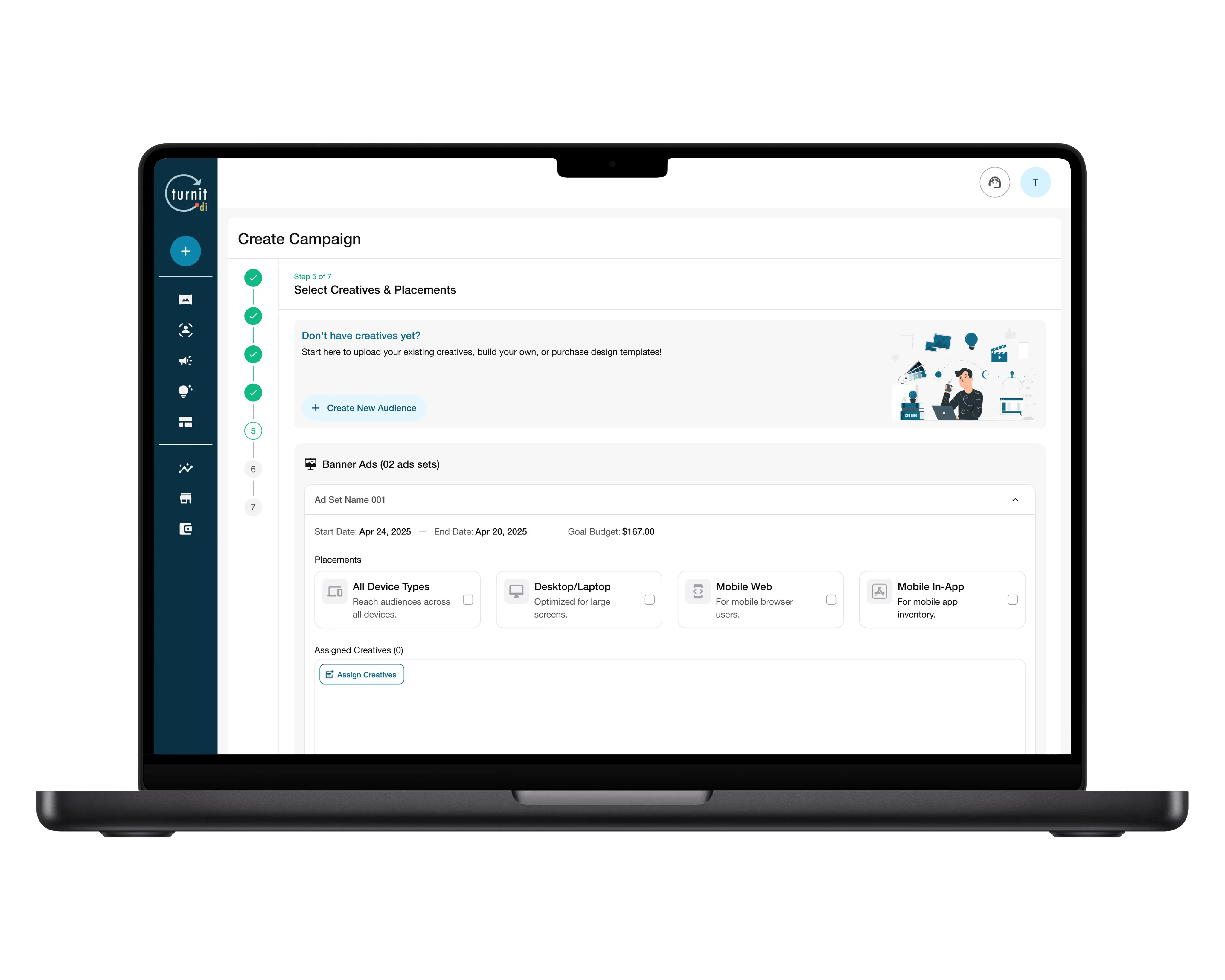
Boulder Strategies LLC operates Turn It Blue Ads, a self-service programmatic advertising platform built for political campaigns, advocacy organisations and the agencies that serve them.
Programmatic advertising has traditionally been the preserve of large buyers: high minimum spends and enterprise interfaces put real-time bidding out of reach for a local campaign or a small advocacy group.
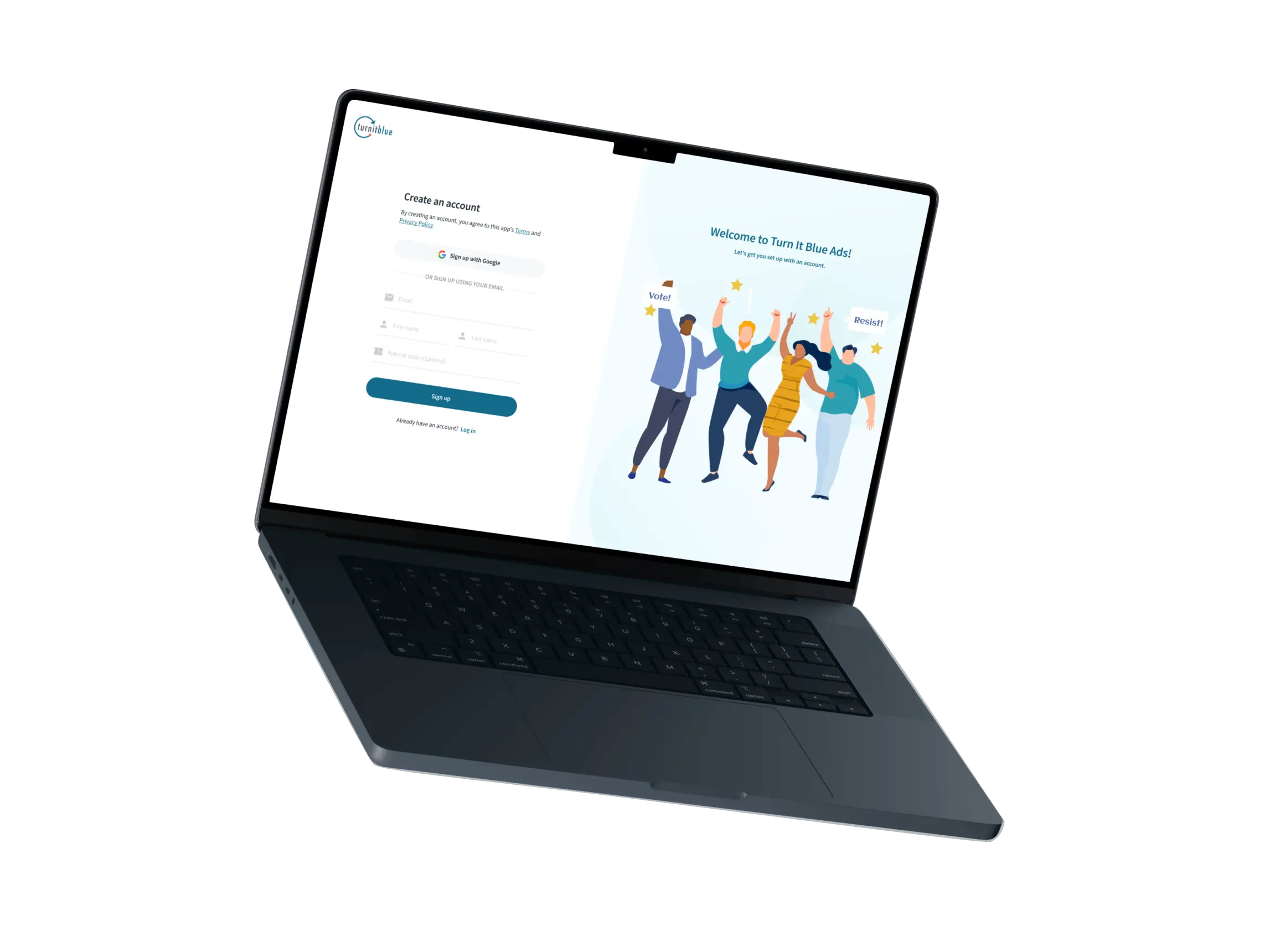
Turn It Blue Ads exists to remove that barrier - a campaign manager with no ad-tech background can define an audience, upload creative, set a budget and go live in a single guided flow.
The company competes in one of the most demanding software environments there is
- Its customers buy in short, intense election cycles.
- Its inventory and audience data come from third parties it does not control.
- Its advertising is subject to political disclosure and classification rules.
- Its addressable market spans segments that are politically distinct enough that one branded product cannot serve all of them.
02. Why It’s Worth Reading
Most case studies describe a project. This one describes a relationship that has now run for five years and survived every event that normally ends an outsourcing arrangement:
- A completed fixed-price scope & go-live
- A change of commercial model
- The collapse of a critical third-party vendor
- A strategic pivot into new markets
Saigon Technology has been the client’s sole engineering partner throughout. The platform in production today has never had another development team.
03. The Engagement Journey (2022-2026)
Fixed price: build and go live
2022The engagement began the way most do: a defined scope, a fixed price, a delivery date.
Saigon Technology built the self-service campaign builder, the advertiser, creative and audience management layers, the customer account and billing layer and the analytics layer, then integrated the platform’s payment provider so that campaigns could be funded and reconciled automatically. The platform went live in 2022.
For many vendors this is where the engagement ends. Here it was the starting point.
Maintenance: earning the right to stay
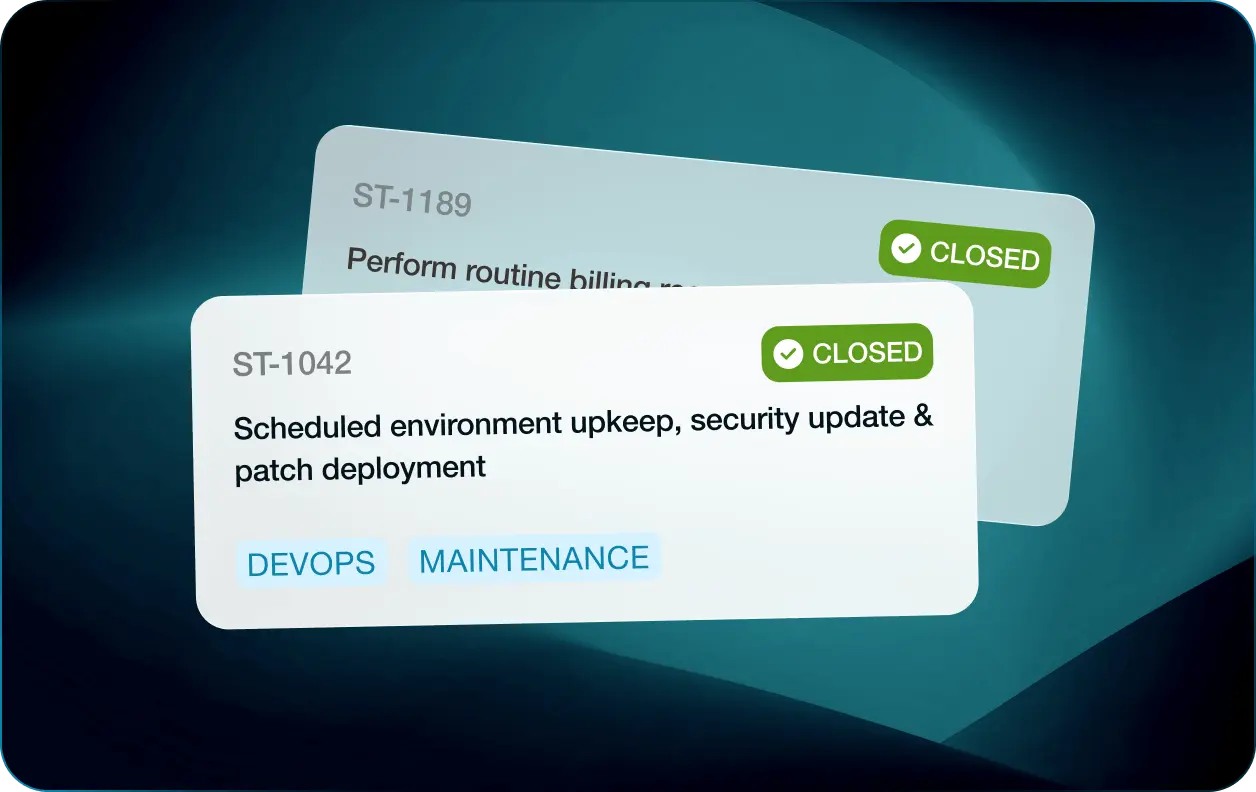
2022 - 2023After go-live the client retained the team for production support. This is the least glamorous phase of any engagement and the most revealing one: more than 130 maintenance and support items have been logged and closed since 2022
- Spanning production defects
- Data and billing reconciliation
- Certificate and environment upkeep
- Release management
Because the same engineers who built the platform were the ones supporting it, issues were diagnosed against known design decisions rather than reverse-engineered. That continuity is what turned a maintenance retainer into a strategic relationship - and it is why, when the client next needed to change something significant, there was no procurement exercise.
Crisis handled: replacing a failed vendor
2023In 2023 the demand-side platform that Turn It Blue Ads depended on to actually place its advertising ceased operations. For a programmatic business this is close to an extinction event: live campaigns, audience segments, creative assets and all historical reporting were bound to a partner that was going away.
Saigon Technology ran the replacement programme end to end:
- Integrating a new enterprise demand partner
- Migrating live and historical data across
- Reconciling the two partners’ differing data models
The client stayed in business and kept shipping features while the ground moved underneath the platform.
Enhancement: removing the single point of failure
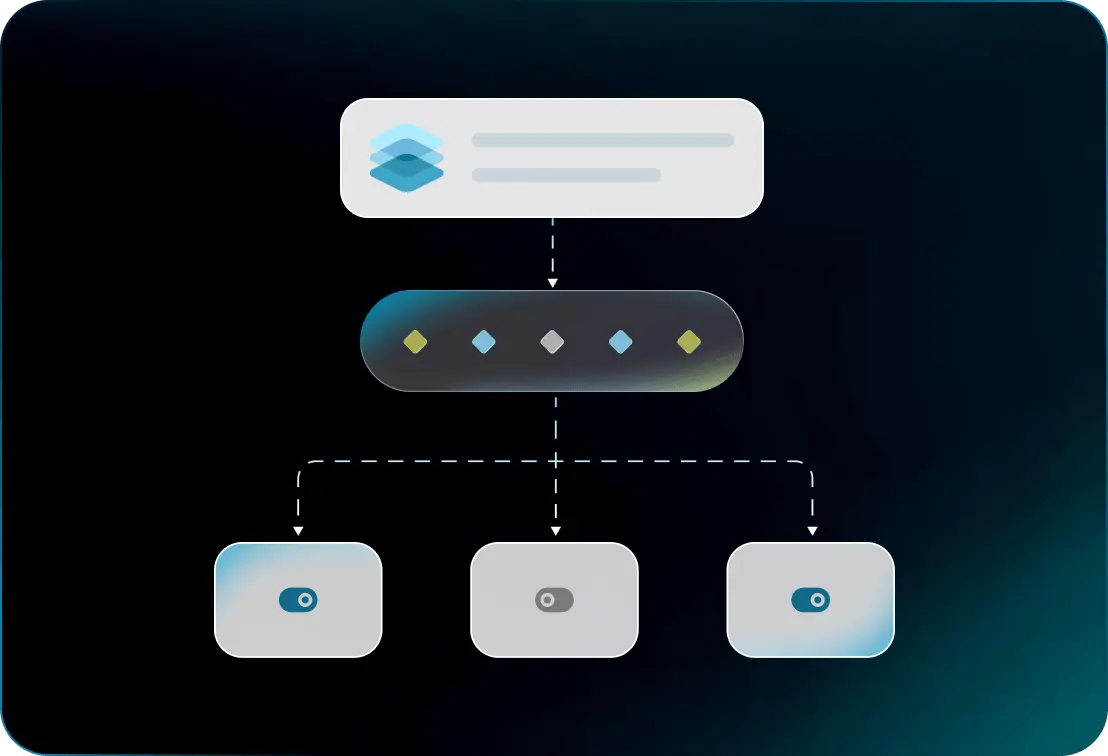
2024Having been burned once, the client asked for architecture that could not be burned again. Rather than integrate a second partner as a bolt-on, the team refactored the backend into a partner-agnostic abstraction:
The platform’s core objects are described once and routed to whichever demand platform is configured, with per-partner feature flags that can be changed in under a minute when a partner degrades.
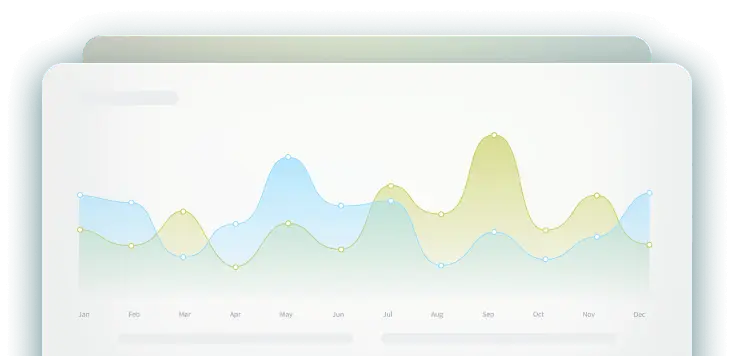
More than 60 delivery items went into this programme, and the analytics layer was rebuilt to consolidate multiple partners’ data into a single reporting model so customers saw one coherent set of numbers.
The same year brought a substantial administration-portal upgrade and further inventory and audience integrations on top of the new architecture.
Roadmap: a quarterly product cadence
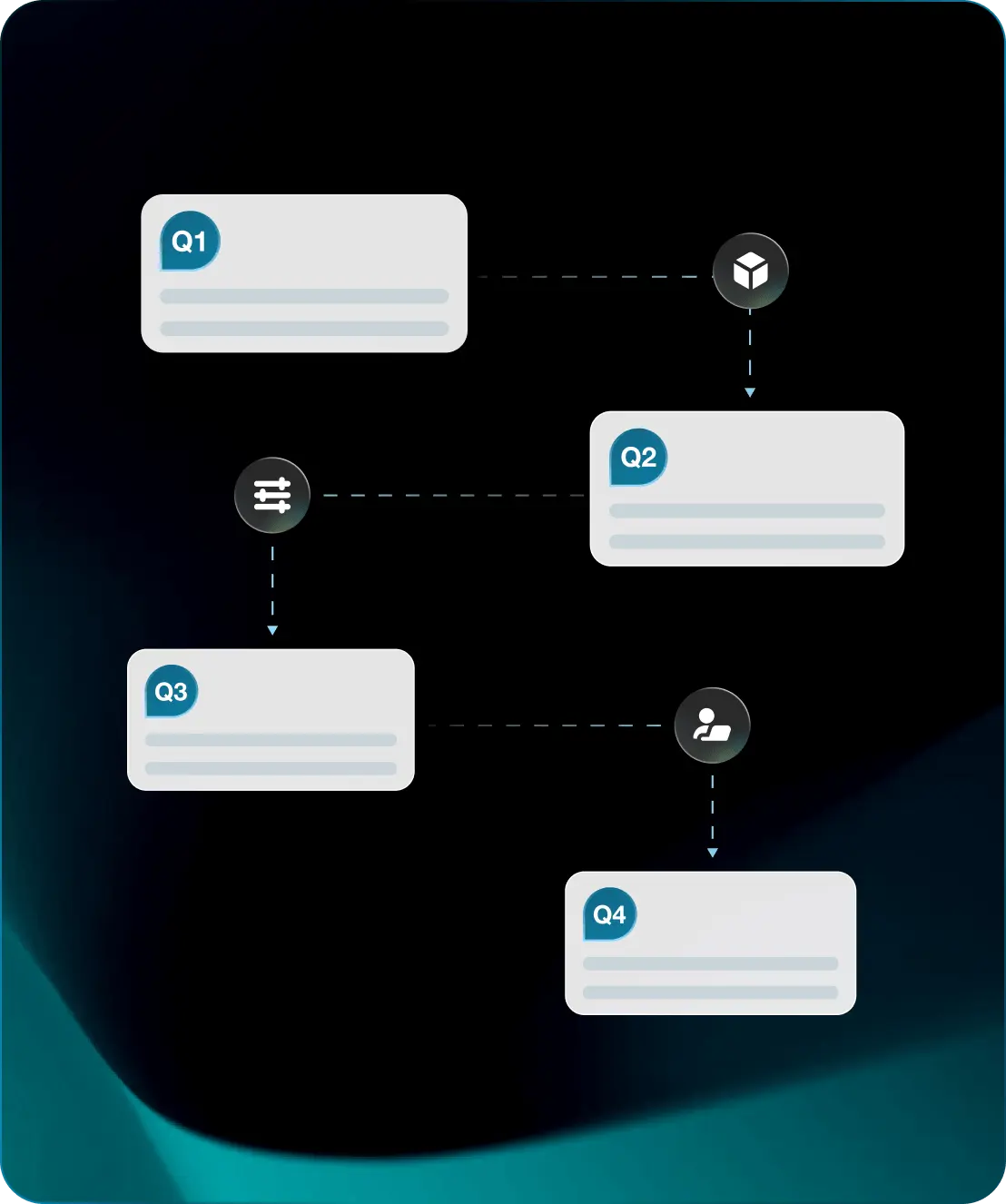
2025By 2025 the engagement had settled into a quarterly enhancement roadmap agreed directly with the client’s product owners. Each quarter combined one substantial feature programme with continuous platform work:
-
Performance
Performance and code-quality investment
-
Experience
Front-end and user-experience modernisation
-
Access
Authentication and onboarding improvements
-
Extensions
Extensions to the platform’s commercial and partner-facing capabilities
The cadence mattered more than any individual item on it. The client could commit to a public product roadmap because it had a delivery partner whose capacity, context and release rhythm were known quantities.
Dedicated team: owning a platform, not a backlog
2025–2026The trigger for the current model was market expansion. Turn It Blue Ads was built for one audience, and the client wanted to sell the same capability into adjacent market segments that the original brand could not address, and subsequently beyond its home market.
The team’s answer was not to fork the codebase.
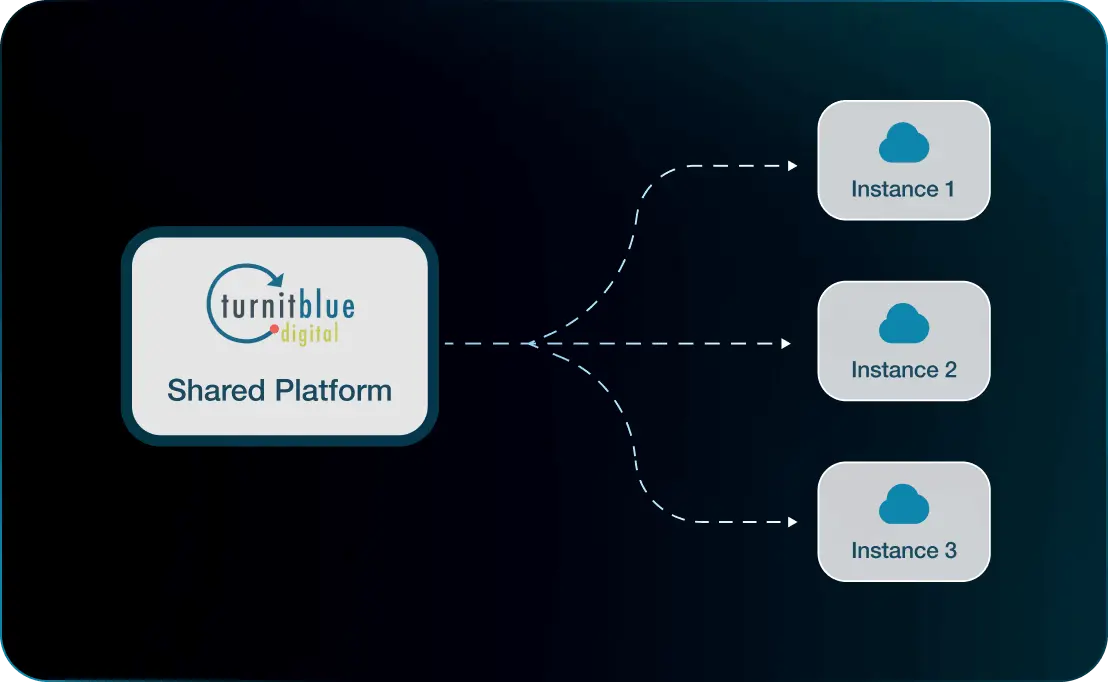
The core was adapted so that a new market variant is a configuration, branding and infrastructure exercise on top of one shared platform: each instance runs on its own AWS infrastructure with its own branding, partner credentials and error reporting, but every instance is patched from the same core. Additional branded instances are now live, and further variants are in assessment.
That change altered what the client needed from its partner.
A platform that is now several branded products, several demand and supply partners, several data providers and a payment stack cannot be handed to a rotating project team. The client moved to a dedicated model with a named technical owner accountable for the whole platform - someone who holds the integration map, the partner quirks, the release history and the commercial logic in their head, and who is reachable directly by the product owners.
Work through 2026 continues on that basis: new partner integrations, commercial and administrative controls, jurisdictional compliance requirements, and the platform engineering that keeps every branded instance current.
04. What Made This Hard
A dependency stack the client does not control
Demand platforms, supply partners, data providers, payment rails and the marketing stack all sit outside the product and all change on their own schedule. The team monitors partner API changelogs as a standing activity so breaking changes are absorbed before they reach production.
Regulatory sensitivity
Political advertising carries advertiser classification and creative disclosure obligations, geo-targeting accuracy requirements, and jurisdiction-by-jurisdiction tax treatment - all of which are product logic, not paperwork.
Multiple brands, one codebase.
Standing up distinct branded instances without forking, so that a security patch or a partner change reaches every instance at once.
A vendor that disappeared
The original demand partner exiting the market forced a full re-platforming of campaign delivery and historical reporting while the business kept trading.
Election-cycle load
Demand concentrates into short windows. Volume peaks expose rate limits and pacing behaviour that never appear in normal operation, so scheduling and retry behaviour had to be built rate-limit-aware.
Money moving through the product
Customer balances, refunds, reconciliation and partner-facing commercial terms all have to be exactly right, because errors are visible to the customer immediately and expensive to unwind.
05. What We Delivered
Resilience engineering
- Partner-agnostic backend abstraction allowing the platform’s core objects to be routed across multiple third-party delivery platforms.
- Configuration-driven feature management enabling sub-minute reconfiguration when a partner degrades, and failover patterns that removed the single point of failure.
- Circuit-breaker and configurable retry policies on every external integration, with multi-attempt retry logic, failure queues and self-service reprocessing for affected users.
- Real-time monitoring and structured logging with automated notification for incident response, plus per-instance integration error reporting.
Commercial and optimisation logic
- A family of goal-based budget optimisers driven by statistical analysis and client-configurable performance thresholds.
- Automated budget reallocation across delivery partners, executed as scheduled background jobs under client-defined constraints so the interface never blocks.
- Partner, billing and margin controls implemented to the client’s commercial model, with the parameters left configurable rather than hard-coded so the business can change terms without a release.
Product surface
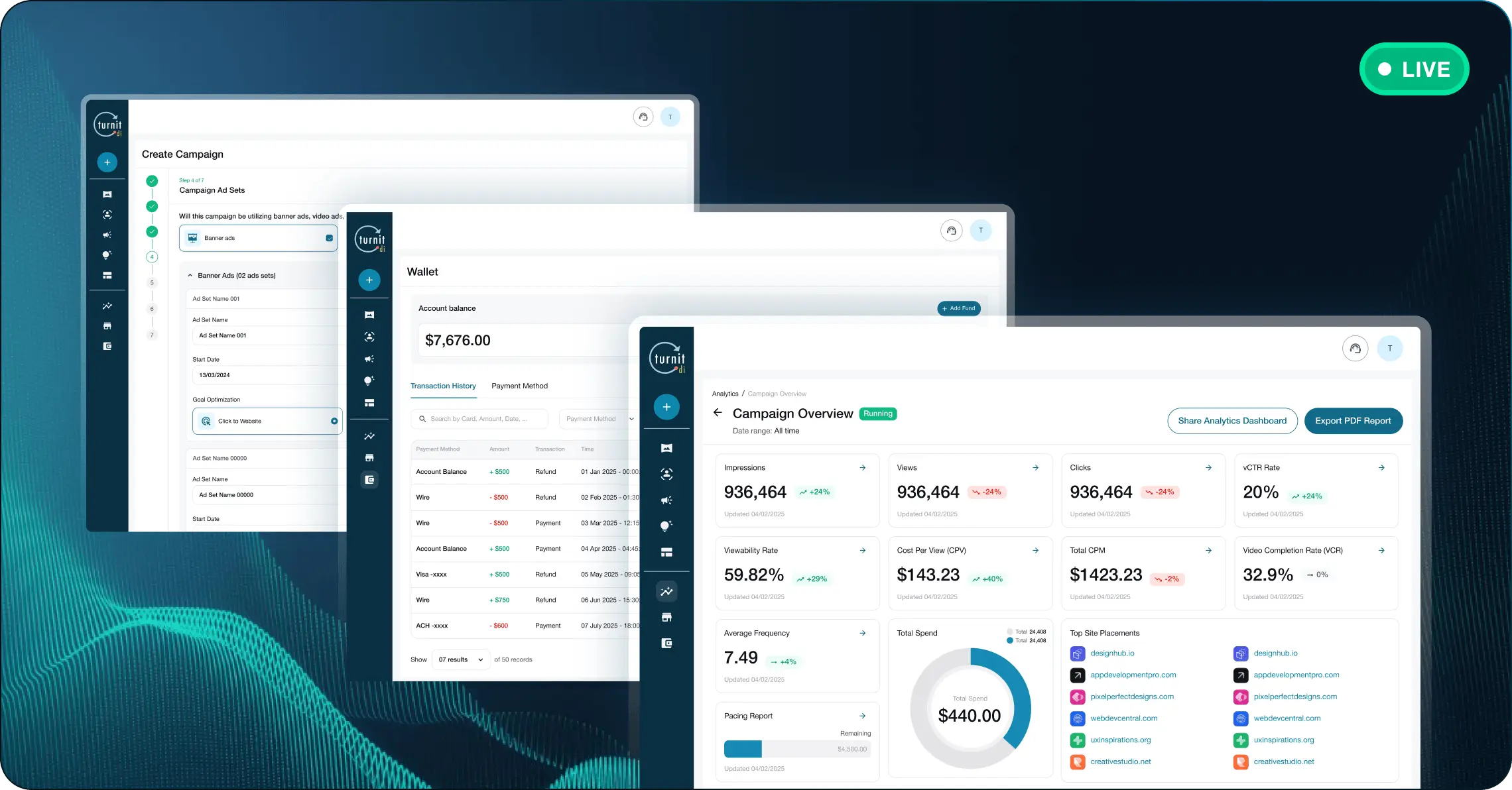
- Guided self-service campaign creation with creative and audience management for the client’s supported advertising channels.
- Audience targeting built on the client’s licensed data sources and customer-supplied lists, with the segmentation model kept configurable as data partnerships change.
- Frequently refreshed performance dashboards, exportable reports and automated recurring reporting.
- Role-based multi-account management with account switching and administrative impersonation for direct customer support.
- Multi-brand deployment: separately branded platform instances with independent infrastructure and partner configuration, all maintained from a single shared core.
Platform operations
- AWS infrastructure modernisation: CDN-backed frontend hosting, scheduled snapshot and backup policies, log aggregation and metric-based alerting, transactional email migration, runtime and certificate lifecycle management.
- CI/CD pipelines for frontend and backend releases, replacing manual deployment.
- Kanban delivery in ClickUp with the client’s product owners working directly in the same board - priorities can change mid-week without a change-request cycle.
06. Why The Client Keeps Renewing
Five years and four commercial models later, the reasons the client gives are consistent, and they are the reasons a prospective client should care
Continuity of people
The engineers who built the platform are the engineers who maintain and extend it. Nothing has been re-learned, re-documented or re-discovered at the client’s expense.
A model that follows the business
Fixed price while scope was knowable. Maintenance when the platform was live and stable. Roadmap delivery when there was a product plan. A dedicated team when the platform became too broad for anything else. The client has never had to re-tender to change how it buys.
Ownership, not ticket-taking
The dedicated model gives the client a named technical owner accountable for the whole platform - integrations, infrastructure, releases and commercial logic - reachable directly by product owners.
Discretion
The client’s product decisions, data partnerships and commercial mechanics are its competitive advantage. They are treated as the client’s property, not as marketing material - which is why this document describes how the work was done rather than what the product does.
Proven under pressure
When a critical vendor collapsed, the platform kept trading. That is the reference that matters.
07. Is This A Fit For You?
This engagement is representative of how Saigon Technology works with product companies rather than one-off projects. It tends to fit organisations that recognise one or more of the following:
You have a live platform whose original build team has moved on, and knowledge is leaking.
Your product depends on third-party platforms whose changes and outages you have to absorb.
You operate in a regulated or compliance-sensitive domain where correctness is a product requirement, not a QA step.
You have outgrown project-based delivery and need a team that owns the platform continuously, sized up for programmes and down for steady state.
You are entering new markets or segments and need the same product delivered under different brands without forking your codebase.
Saigon Technology is a Vietnam-based software development company delivering product engineering, dedicated teams and managed delivery for clients across the United States, Australia, Europe and Asia-Pacific.