




How Much Does It Cost To Make An App in 2026? An Ultimate Guide

 Updated on Oct 26, 2026

How much does it cost to make an app in 2026? For a custom build, the realistic range runs from about $10,000 for a small app with one core workflow to around $500,000 for a complex product with many integrations. Three numbers decide where your project lands: how many people work on it, for how long, and at what hourly rate. Nothing else matters as much.
This guide shows that arithmetic openly, so you can check any quote you receive against it. Every mobile app development cost range below is a planning estimate built from team size, duration and Saigon Technology’s published rate of $22 to $46 per hour. None of them are copied from vendor price lists. Each one is a planning estimate, so treat it as a starting point for a conversation with your team, not as a promise.
Key Takeaways
- Custom app budgets follow one formula: people × months × 160 hours × hourly rate.
- Simple apps typically land at about $10K to $50K, mid-size apps at $50K to $100K, and complex products at $100K to $500K.
- A salary figure and an agency rate measure different things, so compare like with like before you judge a quote.
- Store fees, hosting, updates and AI usage fees keep costing money after launch.
- The engagement model you choose decides who carries the risk when scope changes.
Mobile App Development Cost at a Glance
So how much does it cost to develop an app of each size? A simple app with one core workflow usually needs 2 to 3 people for 6 to 9 weeks, or roughly $10K to $50K. A mid-size app with accounts, payments and integrations needs a team of 4 for about three and a half months, roughly $50K to $100K. Complex products need 6 to 8 people for 5 to 8.5 months, roughly $100K to $500K.
These teams are smaller and faster than they were two years ago. AI-assisted engineering now drafts much of the boilerplate code, unit tests and documentation that used to fill developer hours, and engineers spend that time reviewing and integrating instead. It does not shorten discovery, third-party integrations, compliance work or the human review every release still needs, which is why complex products remain expensive.
|
Tier
|
Typical scope
|
Team and duration
|
Estimated cost
|
|
Simple
|
One core workflow, standard UI, light backend
|
2-3 people (developers, QC, part-time PM) for 6-9 weeks
|
~$11K-$50K
|
|
Mid-size
|
User accounts, payments, admin panel, several integrations
|
4 people (PM/BA, 2 developers, QC) for about 3.5 months
|
~$49K-$103K
|
|
Complex
|
Many roles and integrations, real-time features, strict security
|
6-8 people (adds UI/UX and DevOps, more developers) for 5-8.5 months
|
~$106K-$500K
|
The simple and complex ranges are wide on purpose. Each one multiplies three variables (team size, duration and rate), so the low end assumes the smallest team, the shortest timeline and the lowest rate, while the high end assumes the largest team, the longest timeline and the highest rate, which is why the top of those bands sits nearly five times above the floor even though the scope barely changes. The mid-size band is narrower because its team shape is stable, so the rate is the only thing that moves it. That spread is not noise. It is the price of uncertainty.
You narrow your own mobile app development cost by fixing two of those variables early. Agree on the team shape and the number of months first, then apply a blended hourly rate that reflects the real seniority mix. A team weighted toward senior engineers sits near the top of the band. A team with more mid-level developers sits lower. Both can be right. A complex product with strict security, several third-party integrations and a fixed launch date usually needs seniors on the critical paths, while a simple content app can lean on mid-level developers with one senior reviewing the architecture, and the mobile app development cost reflects that choice directly.
Two limits apply to the table. These are planning numbers, not quotes, and the final figure depends on scope, integrations and team mix. At Saigon Technology the minimum project size is $10,000, which is where the simple tier starts.
How to Calculate an App Budget: Team × Time × Rate
The question “how much does it cost to build an app?” has no fixed answer, but it has a fixed method. Most quotes hide the arithmetic behind a single total. You can rebuild it yourself in four steps, and the result tells you whether a proposal is padded, underpriced or simply assumes a different scope.
- List the roles your scope needs. Nearly every build needs developers and a QC engineer. Larger ones add a project manager, a business analyst, a UI/UX designer and a DevOps engineer.
- Estimate the duration. Count the months from kickoff to a release your users can install, including design and testing.
- Convert to hours. Multiply people by months by 160, the working hours in one person-month.
- Apply a rate band. Multiply the hours by the low and high end of the rate you are quoted.
That is the whole formula. Here is an illustrative example rather than a client project. A four-person team working for three and a half months logs 2,240 hours. At $22 per hour that is $49,280. At $46 per hour it is $103,040. The cost to create an app with that team therefore moves by more than double depending on seniority alone, which is why the rate deserves as much scrutiny as the timeline.
Real team shapes help you test your own list of roles. When Saigon Technology built Loan City, a lending platform in Singapore, the team had nine members: one project manager, one business analyst, six developers, one UI/UX designer and one QC engineer. The initial build took three months on a fixed price. After go-live, the engagement moved to an offshore development center model so the same people could keep shipping.
Scale changes the picture. On the Personal Loans Application, 20 senior engineers were onboarded within three months. A team that size burns budget fast, so it only makes sense once the product’s direction is settled.
Your mobile app development cost estimate is only as reliable as the role list behind it. If two quotes differ widely, compare their team shapes before you compare their totals.
What Drives the Cost of Building an App
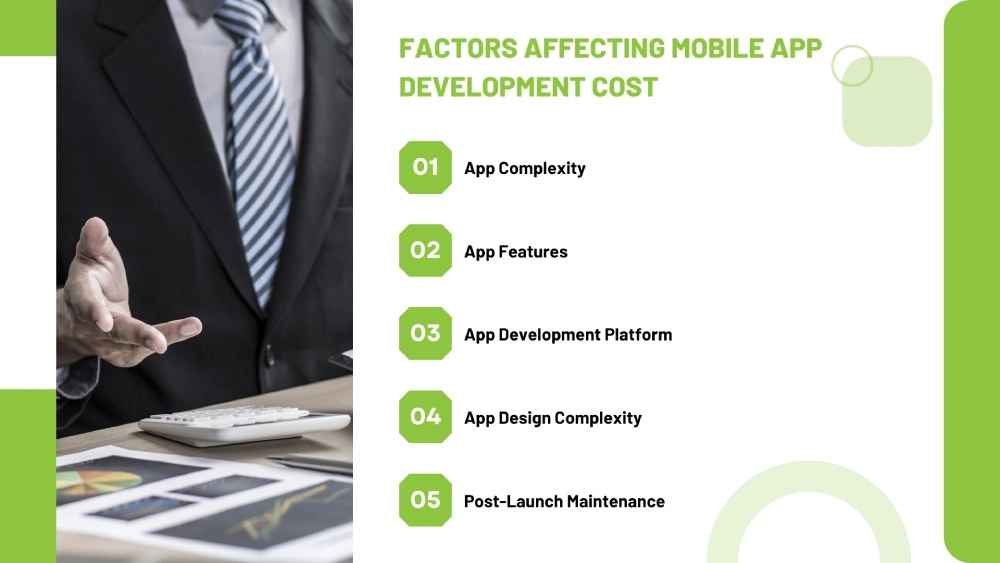
Five factors explain most of the gap in mobile app development cost between a $10K build and a $500K one. Each of them changes either the number of people you need or the number of months they work. That is the only way a feature reaches your invoice.
Scope and Features
Scope is the biggest lever. Every feature adds screens, states, edge cases and tests. A login screen looks small, yet it brings password resets, session handling, account lockouts after failed attempts, email or SMS verification and the security checks that keep all of it from leaking user data, so a two-day estimate quietly becomes a two-week one. The cost of building an app grows with these hidden layers more than with the visible screens, and the cost of building an app twice, after a rushed first version, is higher still.
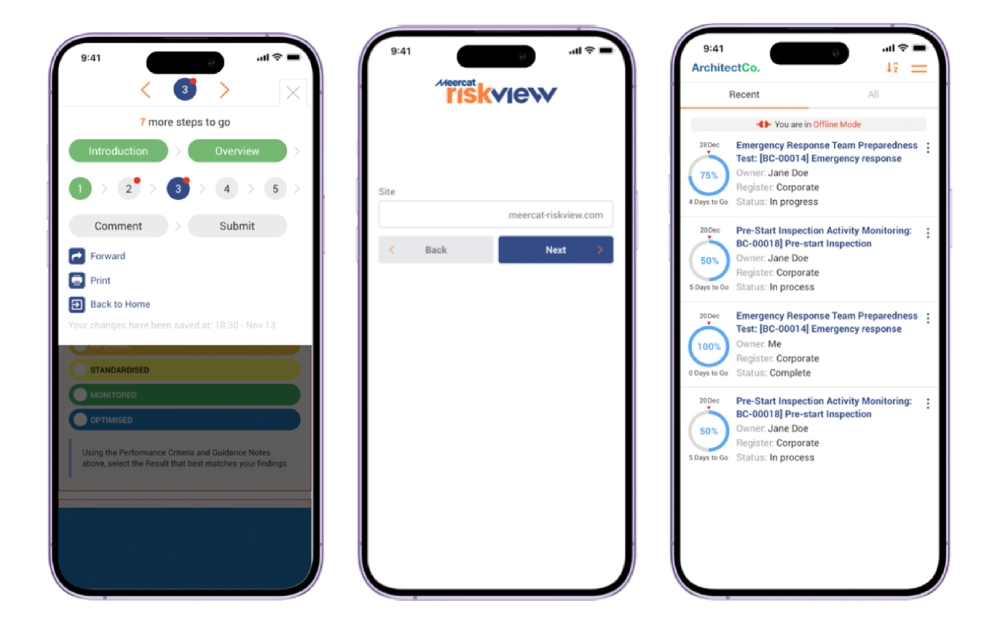
Starting with a minimum viable product keeps the first release small. You launch the features users need first, learn from real usage, and fund the next phase with evidence instead of guesses.
Platform: Native, Cross-Platform or Web
Native development means a separate codebase for iOS and one for Android, so two sets of developers and two test cycles. Saigon Technology built Welio, a telemedicine app, natively for iOS in Swift and for Android. If you are weighing Apple-only costs, see our breakdown of iOS-specific costs, and our guide to native development trade-offs covers when that route pays off.
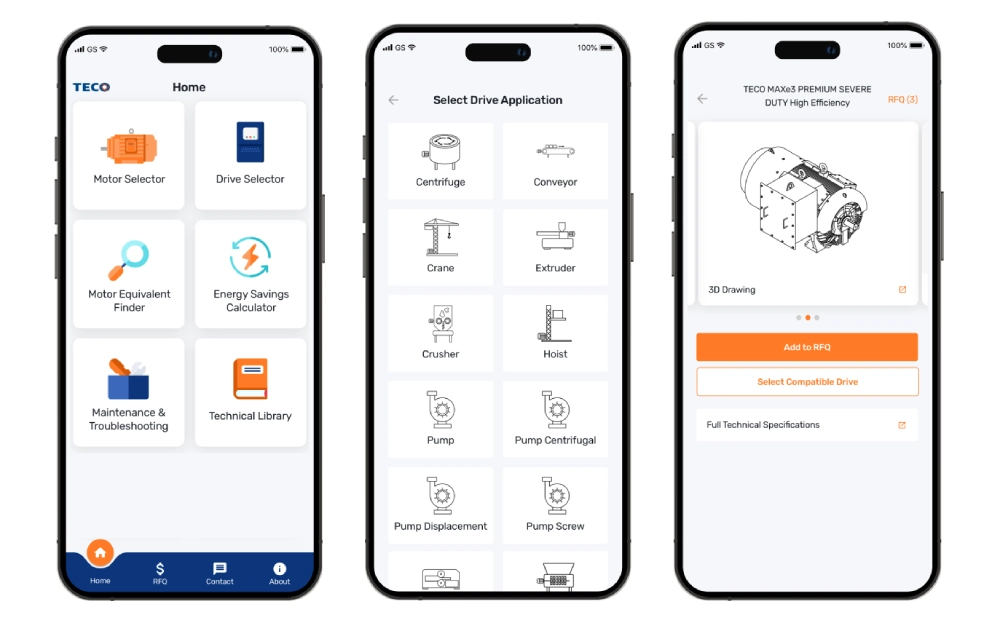
Cross-platform frameworks share a single codebase across both stores. Genesis Sun Mobile was built in Flutter and TECO APP in React Native. For a framework-by-framework view, read about choosing a cross-platform framework. A web app or progressive web app avoids the stores entirely but gives up some device access. Choose the platform by what the app must do on the phone, such as camera access, offline mode, push notifications or Bluetooth, and not by what sounds modern, because switching platforms after launch means paying for most of the build a second time. Platform choice is a cost decision.
Design, Backend and Integrations
A custom visual design takes more designer and developer hours than standard platform components. Strong UI/UX design earns that time when the app competes on experience.
The backend is often the larger bill. APIs, databases, an admin panel and connections to payment gateways, CRMs or ERPs each add work that users never see. An app that only displays content costs far less than one that syncs orders with three external systems, because every connection needs its own error handling, retries, test data and a plan for what happens when the other system changes its API without warning. Integrations rarely fail on day one. They fail later.
Compliance Requirements
Healthcare and payment apps carry extra engineering. HIPAA-regulated data and card payments under PCI-DSS call for encryption, audit logging, access controls and more testing. Saigon Technology structures engagements to meet HIPAA and PCI-DSS requirements where the workload needs them, and those requirements should be in your scope from day one rather than added before launch.
AI Features and Their Running Costs
How much does AI app development cost? The build itself looks like any other integration work: prompts, data preparation, evaluation and safeguards. The difference is what comes after launch. Calls to a language model or vision model are usually billed per use, so the bill grows with your user base. Budget a monthly line for inference fees and for monitoring answer quality.
How Much Do App Developers Charge?
Rates vary by country. Published figures also measure different things. A government salary survey reports what employees earn. An agency or freelancer rate reports what a client pays. The second includes overhead, management and margin, so the two cannot be compared directly.
|
Market
|
Published figure
|
What it measures
|
Source
|
|
United States
|
$135,980 median annual wage, software developers (May 2025)
|
Employee wage, not a billing rate
|
|
|
Australia
|
AUD 2,537 median weekly earnings, software and applications programmers (May 2025)
|
Full-time employee wage before tax
|
|
|
Singapore
|
$65/hr median for senior developers (Q3 2026)
|
Contract rate on active contracts
|
|
|
Vietnam
|
$22-$46/hr, senior-led teams
|
Vendor billing rate
|
Saigon Technology
|
So how much do app developers charge? It depends on which of these numbers you are looking at. An employer’s true cost per employee runs above the wage, because it adds benefits, recruitment, equipment and idle time between projects. An agency rate bundles those costs in. When you compare an in-house hire with a vendor, put both on the same basis, a fully loaded annual cost for each, before you decide.
The table also explains why the same app attracts very different quotes from different markets. The scope is identical. The hourly rate applied to it is not, and it alters your mobile app development cost more than any single feature does.
Why App Development Costs More Than the Build
Teams often ask why app development cost is so expensive once the app is already live. The answer is that launch starts a second set of bills. Plan for these before you sign, because none of them appear in a build quote.
- Store accounts: Apple’s Developer Program costs $99 per year, and Google Play charges a one-time $25 registration fee.
- Hosting and backend services: servers, databases, file storage and third-party APIs are billed monthly and rise with usage.
- Platform updates: each new iOS and Android release can break layouts, permissions or libraries, so someone has to test and patch the app every year.
- Bug fixes and security patches: real users find paths your testers did not, and dependencies publish security fixes you need to apply.
- Framework end of life: Microsoft ended support for all Xamarin SDKs on 1 May 2024, which left Xamarin apps needing a migration. Choosing a well-supported stack lowers this risk.
- Monitoring and analytics: crash reporting and product analytics tell you what to fix next, and most of these tools charge by volume.
These costs are why a sound mobile app development cost plan includes a yearly maintenance budget. Launch is a beginning. Its size depends on how often you release, how many integrations you run and how strict your security requirements are. Skip it and the maintenance budget gets set for you, usually by an outage. Nobody plans that line well in a crisis.
Fixed Price, Time & Materials or Dedicated Team
The engagement model decides who absorbs the cost when the plan changes. It does not change how many hours the work takes, but it changes how those hours are priced and who carries the change risk.
|
Model
|
How you pay
|
Fits when
|
Who carries scope risk
|
|
Fixed price
|
One agreed price for an agreed scope
|
The scope is stable and documented, as with a first release
|
Mostly the vendor; changes become change requests
|
|
Time & materials
|
Hours worked at agreed rates
|
The scope will evolve as you learn
|
Mostly the client
|
|
Dedicated team or ODC
|
A monthly fee per team member
|
A long-running product with a roadmap
|
Shared; the client sets priorities
|
Many products move between models. Loan City started on a fixed price for its first release and moved to an offshore development center once it was live. If you are deciding between the first two, our comparison of fixed price or time and materials goes deeper. The right cost for app development is the one priced on the model that matches how certain your scope really is. A fixed price on a vague scope is not cheaper. It just moves the argument to the change requests, where every disputed feature becomes a negotiation and the cost for app development climbs anyway.
Outsource App Development Cost: In-House vs Offshore
An in-house team costs salaries plus benefits, recruitment, equipment and the months it takes to hire. Outsourcing replaces those with a rate per hour or per team member. The U.S. median developer wage above and Saigon Technology’s $22 to $46 billing rate are different measures, so set them side by side rather than reading one as a discount on the other. For many buyers, choosing where the team sits is the single largest change they can make to their mobile app development cost, larger than any feature they could cut, because the rate applies to every hour of every role for the whole life of the project.
The outsource app development cost also depends on how quickly a vendor can staff the work. Ramp-up speed matters because every month without a team is a month without a product. Saigon Technology has run mobile and web builds for more than 14 years, with 400+ developers and 160 mobile apps delivered, and its ISO 9001 and ISO 27001 certifications cover quality and information security.

Offshore delivery has its own costs to manage: time-zone overlap, written specifications and regular demos. None of them is hard. Each one needs an owner, a schedule and a habit of writing decisions down, because a team that works while you sleep can only build what it can read the next morning, and a vague ticket turns into a day of lost work across two time zones. Our guide on how the outsourcing process works covers those steps. If you already know what you want to build, our mobile app development services page explains how we staff and run projects.
Industry-Specific App Budgets
Some sectors add their own requirements on top of the general factors above. For deeper estimates in a specific field, these guides go further.
|
Industry
|
Guide
|
|
Fintech
|
|
|
Healthcare
|
|
|
Logistics
|
|
|
Real estate
|
|
|
eCommerce
|
How to Reduce App Development Cost Without Cutting Quality
Cutting cost works best when you remove work, not when you rush it. Speed bought with skipped tests is borrowed. These six moves lower the app development cost without shrinking the quality bar.
- Ship a focused first release. Define the MVP scope around one job your users need done, then add features in later phases.
- Use a shared codebase when your features allow it. Cross-platform development saves a second build and a second test cycle.
- Freeze the scope of each phase. Changes mid-phase cost more than the same change scheduled for the next one.
- Test from the first sprint. Regression testing on every build catches defects while they are still cheap to fix.
- Match the engagement model to your certainty. Fixed price suits a documented scope, while time and materials suits discovery.
- Reuse proven components. Payment, login and notification services already exist, so build only what makes your product different.
FAQs
Can I make an app by myself to save money?
Yes, if the app is simple and you have the time. No-code builders and online tutorials let you assemble a prototype, and the cost shifts from a developer’s invoice to your own hours. Once you need custom integrations, payments, compliance or scale, a development team becomes the cheaper route because rework costs more than building it right.
How much does it cost to put an app on the App Store and Google Play?
Apple’s Developer Program costs $99 per year, and Google Play charges a one-time $25 registration fee. Budget extra time for store review too. Apple and Google review each submission, and a rejected build adds a fix-and-resubmit cycle before launch.
How much does it cost to maintain an app each year?
It depends on how often you release, how many third-party services you connect and how strict your security needs are. Every year you will pay for hosting, store fees, updates for new iOS and Android versions, bug fixes and security patches. Plan that budget alongside the build rather than after launch. An app that ships twice a month with a payment gateway, a CRM sync and health data to protect needs far more upkeep than a brochure-style app that changes once a quarter, even if both cost the same to build in the first place. Ask for both numbers.
Is it cheaper to outsource app development?
Often, but compare total cost rather than hourly rates. An in-house hire adds benefits, recruitment and idle time to the salary, while a vendor rate already includes them. Outsourcing usually wins on speed to a staffed team. In-house usually wins when the app is your core product and needs a permanent team. Many companies do both.
Does it cost money to make an app?
Yes, even with free tools. People who ask how much does it cost to create an app are often surprised by this. You still pay for developer accounts, hosting and the hours someone spends building and testing. The real question is whether those hours belong to you, a freelancer or a team, and that choice drives the mobile app development cost more than any tool does.
Get an Estimate Built on Your Scope
The formula in this guide works for any app. If you want to know how much it will cost to build an app on your scope, send it to us. Saigon Technology has delivered 850+ projects for 300+ clients. Experts review every RFP and reply in 48 hours or more with a team shape, a timeline and a cost range you can check line by line. Contact Saigon Technology to start.


Related articles
Legacy Application Migration: How to Move Legacy Apps to the Cloud
 Khoa Nguyen - Offshore Development Consultant
 21 Aug 2026
iOS App Development Cost in 2026: $25K–$400K+ Real Pricing Guide
10 Aug 2026 
Outcome-Based Pricing: How It Works and What It Takes to Bill It
07 Aug 2026 
Legacy Modernization Approaches: The 7 R’s Explained
16 Jun 2026 
When Should You Rebuild vs. Refactor? A Scoring Guide for Engineering Leaders
31 Mar 2026 
Custom Software vs Off-the-Shelf Solutions: A Side-by-Side Evaluation Framework
26 Mar 2026 
Build vs Buy Software: How to Make the Right Decision for Your Business
25 Mar 2026 
When a Dedicated Team Beats In-House Hiring
25 Mar 2026 
Choosing Between Models: A Decision Framework for Tech Leaders
19 Mar 2026