




Everything You Need to Know about Artificial Intelligence in Quality Assurance

 Updated on May 27, 2025
Artificial Intelligence (AI) is rapidly becoming a powerful tool in the software testing industry. AI can be used to automate some of the manual testing processes, such as regression and acceptance testing, while simultaneously increasing accuracy, reducing cost, and improving speed. Artificial Intelligence services provide QA Testing Services with an impartial and automated approach to quality assurance, allowing faster feedback and analysis.
AI-based software testing services can automate a number of tedious tasks related to software testing, such as log file analysis and code review. Artificial intelligence can also be used to detect bugs in software code and provide suggestions for how to solve them quickly and accurately. AI-based QA Testing Services enable faster feedback loops for developers while helping to ensure that the software is free of bugs and performs as expected.
AI-driven QA Testing Services can also help streamline software development processes by providing insights into user behavior, usage metrics, and performance trends. Artificial intelligence can be used to predict potential problems before they arise, identify areas for improvement in the software design process, and help prioritize tasks. AI-based software testing services can also be used to generate detailed reports on project progress and performance, helping teams stay on top of their objectives and plan accordingly.
What is AI in Quality Assurance and Why it?
AI in quality assurance (QA) is the use of Artificial Intelligence technologies to automate software testing processes and improve software quality. Artificial intelligence can be used for a range of QA tasks, from log file analysis and code review to automated bug detection, predictions about user behavior and usage metrics, as well as performance monitoring. AI-driven QA Testing Services can help streamline software development processes and provide timely feedback for developers, enabling them to identify areas for improvement in their software designs.
Besides, Artificial intelligence can also be used to generate automated reports on project progress and performance, helping teams stay on top of their goals and objectives. By leveraging Artificial Intelligence in QA testing services, software development teams can significantly reduce time spent on manual tests while ensuring high-quality results. Artificial intelligence can also help reduce the cost of QA Testing Services by automating processes and reducing human error. Ultimately, Artificial Intelligence can help software development teams save time, money, and resources while improving overall product quality.
How to Overcome the Test Automation Trap?
As Artificial Intelligence in QA Testing Services becomes more and more prevalent, it is important to take the necessary precautions to avoid falling into the test automation trap. This involves clearly understanding the use cases for Artificial Intelligence in software testing and ensuring a well-defined process for implementing Artificial Intelligence-driven testing processes.
When Artificial Intelligence is used in QA Testing Services, it should be done in a way that enhances the software testing process instead of replacing manual efforts. AI-based solutions can help speed up certain processes by automating tedious tasks, but any Artificial Intelligence solution still needs human oversight and input. It is important to remember that Artificial Intelligence is a tool and should be used as such, not a replacement for manual testing.
In addition, Artificial Intelligence in QA Testing Services should be implemented with the same diligence and attention to detail that any other software-testing process demands. This includes setting up clear objectives for Artificial Intelligence-driven testing processes and ensuring that Artificial Intelligence models are regularly assessed and updated to remain accurate and effective. Artificial Intelligence can be a powerful tool in QA Testing Services, but it should always be used with caution.
By leveraging Artificial Intelligence in QA Testing Services, software development teams can improve their software testing processes while simultaneously saving time and resources. Artificial Intelligence-driven solutions will continue to evolve and become more robust, so it is important to stay up-to-date on Artificial Intelligence capabilities to take full advantage of its benefits. With the right approach, Artificial Intelligence can be used as a powerful tool for software testing and ultimately lead to improved product quality.
To ensure success with Artificial Intelligence in QA Testing Services, teams should:
- Establish clear goals for Artificial Intelligence implementation, and create a detailed plan for achieving these objectives.
- Thoroughly analyze the existing software testing processes to determine which tasks are best suited for Artificial Intelligence automation.
- Develop an Artificial Intelligence strategy that takes into account both manual and automated tests.
- Monitor Artificial Intelligence performance over time and make necessary adjustments or enhancements to ensure successful QA Testing Services.
- Implement Artificial Intelligence in stages, starting with basic tests such as regression testing and gradually progressing to more complex tasks. By following these guidelines, software development teams can reap the benefits of Artificial Intelligence in Quality Assurance while avoiding the common pitfalls associated with test automation.
What is the Future of Autonomous Software Testing-Quality Assurance?
The future of quality assurance looks bright for Artificial Intelligence-driven software testing services. Autonomous software testing, or ATS, is quickly becoming the norm within QA Testing Services as Artificial Intelligence tools become more accurate and advanced. Autonomous tests are designed to run in complete isolation and self-correct in case of errors, making them reliable and efficient. Artificial Intelligence can also be used to automate test creation and execution, reducing manual labor while giving developers the ability to focus on more important tasks.
Autonomous software testing is quickly becoming a revolutionary tool in QA Testing Services, allowing for faster feedback loops and increased accuracy in software results. Artificial Intelligence-based software testing services are revolutionizing the software development industry, making QA Testing Services more efficient and cost-effective. Artificial Intelligence is here to stay, and it’s transforming the way we test software.
Key Steps in Developing Artificial Intelligence in Quality Assurance
To leverage Artificial Intelligence in Quality Assurance, software development teams will need to go through several steps. Here are some of the most crucial ones:
1. Develop a strategy for Artificial Intelligence usage – Define what tasks Artificial
2. Choose the appropriate Artificial Intelligence technology – Select Artificial Intelligence software that will best fit your particular QA needs. Intelligence can help with how it should be integrated into existing QA processes.
3. Train Artificial Intelligence models – Use data sets to train Artificial Intelligence algorithms and make sure they are accurately performing their tasks.
4. Monitor Artificial Intelligence performance – Regularly monitor Artificial Intelligence models for accuracy, speed, and efficiency of results.
5. Optimize Artificial Intelligence performance – Identify areas of Artificial Intelligence performance that can be improved and adjust models accordingly.
By following these steps and integrating Artificial Intelligence into Quality Assurance processes, software development teams can reap the benefits of automated QA Testing Services while maintaining a high level of quality assurance. Artificial Intelligence can provide software development teams with an efficient and cost-effective way to ensure software quality while minimizing the amount of manual testing required.
Wrapping Up
In conclusion, Artificial Intelligence in Quality Assurance is an indispensable tool for software development teams looking to improve the quality of their products and reduce manual testing time. Artificial Intelligence can help teams diagnose issues quickly, streamline test-related processes, and stay ahead of potential problems. With Artificial Intelligence in QA Testing Services, software development teams can benefit from improved product quality, cost savings, and reduced time-to-market. Artificial Intelligence is the ultimate tool for successful software development teams.


Related articles

Legacy Application Migration: How to Move Legacy Apps to the Cloud
 Khoa Nguyen - Offshore Development Consultant
  21 Aug 2026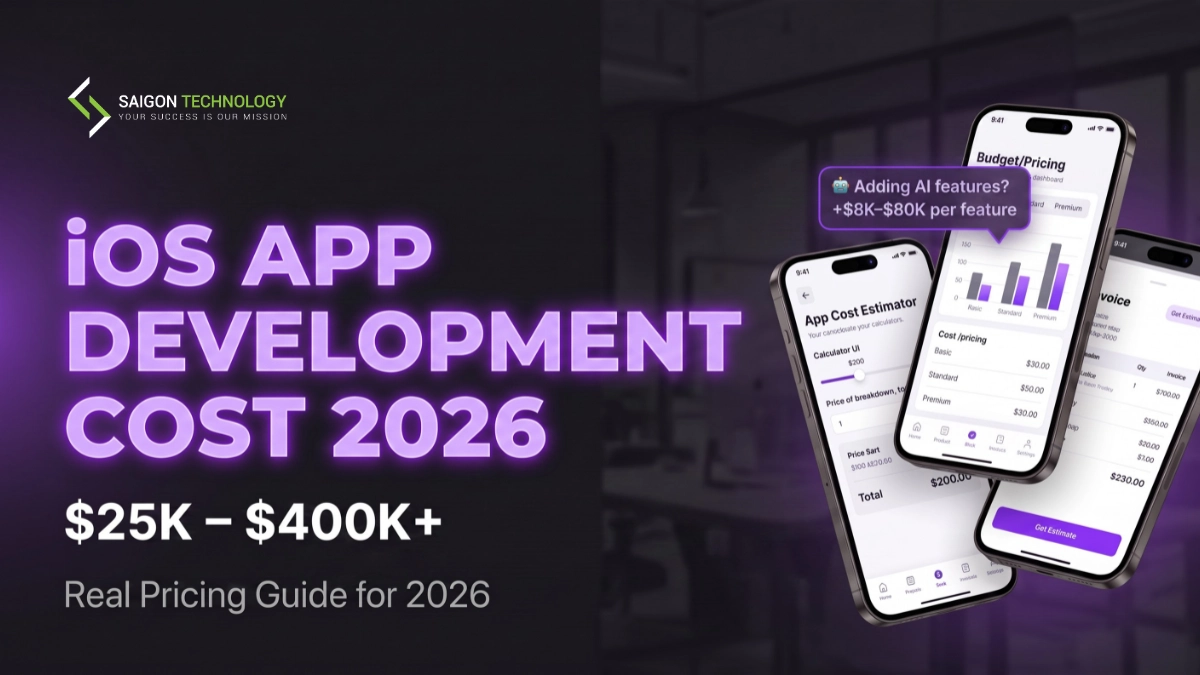
iOS App Development Cost in 2026: $25K–$400K+ Real Pricing Guide
10 Aug 2026 
Outcome-Based Pricing: How It Works and What It Takes to Bill It
07 Aug 2026 
Legacy Modernization Approaches: The 7 R’s Explained
16 Jun 2026 
When Should You Rebuild vs. Refactor? A Scoring Guide for Engineering Leaders
31 Mar 2026 
Custom Software vs Off-the-Shelf Solutions: A Side-by-Side Evaluation Framework
26 Mar 2026 
Build vs Buy Software: How to Make the Right Decision for Your Business
25 Mar 2026 
When a Dedicated Team Beats In-House Hiring
25 Mar 2026 
Choosing Between Models: A Decision Framework for Tech Leaders
19 Mar 2026