




Windows Software Development Kit Basics: Everything You Need to Know

 Updated on Feb 06, 2025
What is a Window Software Development Kit?
SDK or Windows Software Development Kit is a set of tools for software development that allow the developers a chance to create software, framework, or applications for any business. These software variants are developed for specific platforms, computer systems, operating systems, or devices. For example, the developers interested in creating VR software or 3D renders need access to an adequately concocted SDK for the specific device.
When understanding facts about the question, what is a Windows software development kit, one needs to keep in mind that the tool kit varies depending upon the platform it is being used for. For developers who want software created for an iOS platform, they need to have access to iOS SDK, for Android, the toolkit needs to be specifically functional for Android platforms. Even though SDKs are mostly associated with native mobile applications, the developers can opt for them in conjunction with the set-top boxes, websites, as well as similar digital platforms.
Usually, contact high-quality custom software development companies to get their consultancy on which platforms we should use.
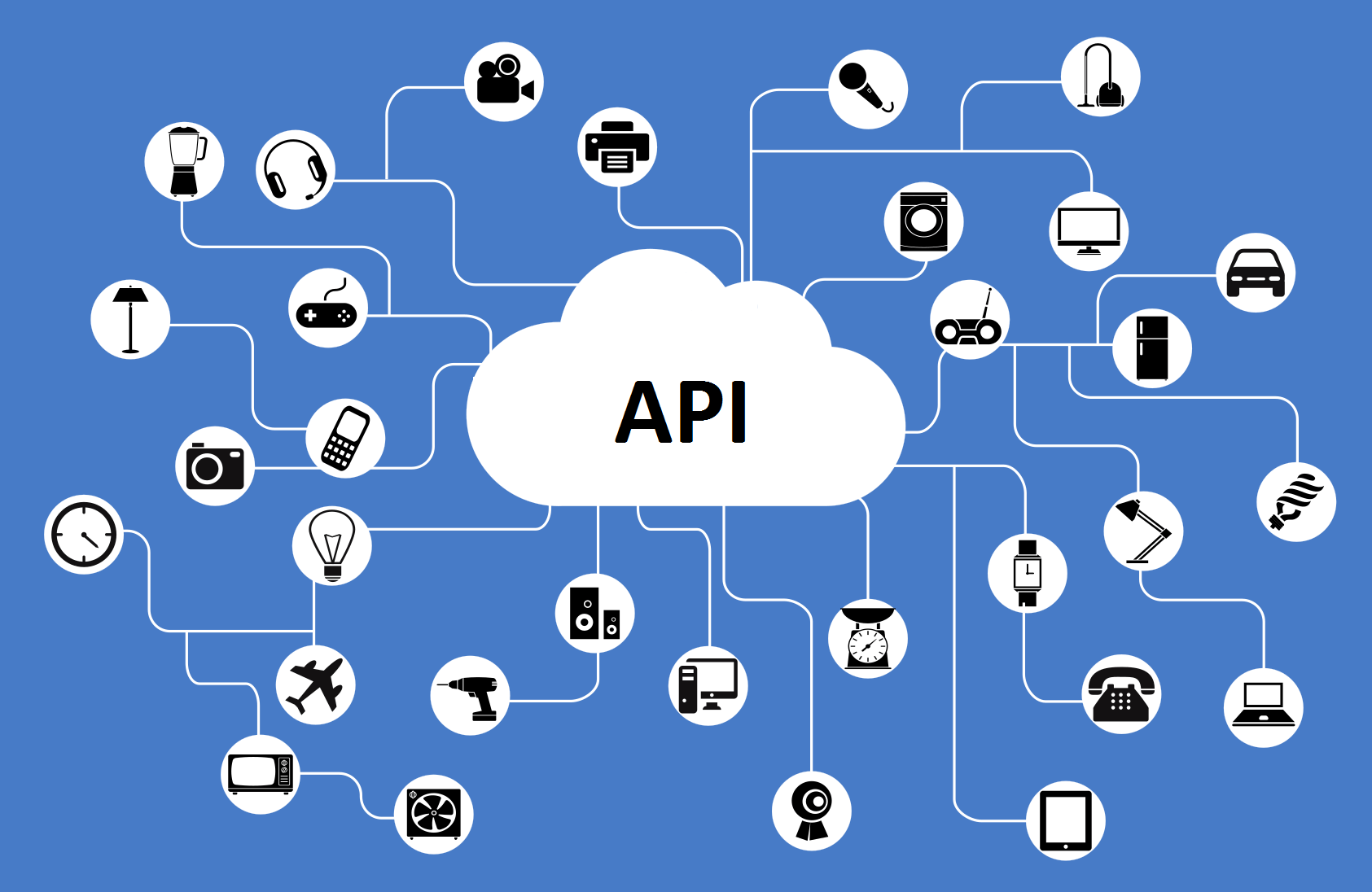
SDKs mostly include elements such as Application Programming Interfaces (APIs), Documentation, Code Samples, Library Processes, and Developer Guides for integration into the applications. Not just that, developers can also use the SDKs for creating as well as maintaining the applications with no need to write them from scratch.
Contents
3. Characteristics Of The Perfect SDK
4. How Is SDK Different From API
5. Why Does A Developer Need The SDKs
6. Bottom Line
SDKs Are Inclusive Of:
- APIs and Libraries are pre-defined code pieces that allow the developers to perform the following tasks for programming with the use of the given platforms.
- IDE or Integrated Development Environment is an exceptional visual editor that aids the developers with the designs and layout of the graphical elements like text buttons and boxes. These elements are a standard part of the toolkit for Mobile Software Development. For example, the Apple IDE named Xcode houses a collection of tools for software development that help developers create software for iOS, macOS, watchOS, iPadOS, as well as tvOS. There are multiple IDE options designed for Android platforms as well.
- SDKs also house tools to aid the developers in the completion of tasks such as building, debugging, testing, and running their applications.
- SDKs also enable the developers a chance to enhance the applications with better functionality. It lets them include ads, pushes notifications, and so much more. It also helps with the efficient creation of a fresh set of new tools that make the entire process easy. This is because everything in this SDK is prebuilt.
For instance, if any developer wants to share text or images from his/her app to Facebook, they need to select the Android SDK for Facebook to locate necessary codes that will work for any Android device. In essence, this speeds up the deployment process as the developer won’t need to write code from the base.
What Is The Need For SDKs?
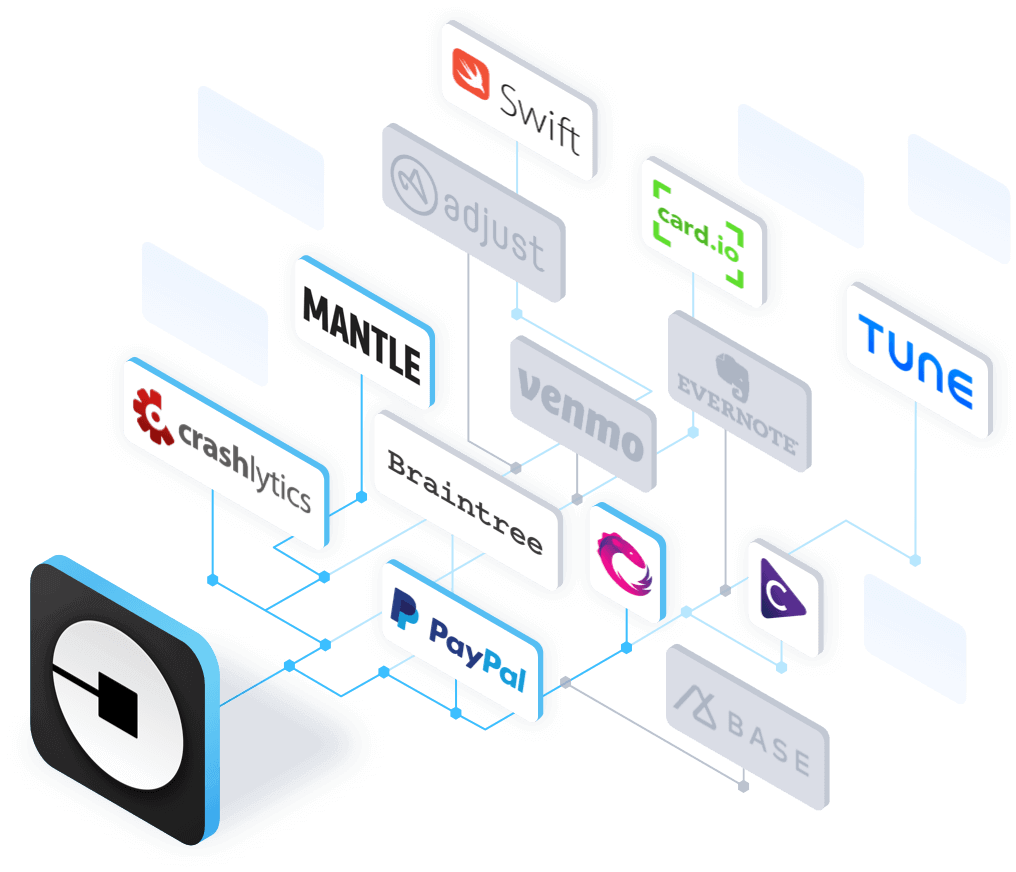
The SDKs or Windows Software Development Toolkits give the developers a chance to include functionality into the applications. It gives them an opportunity to create the standard features and components of the applications in an easy and fast way. SDKs usually function as a package deal and don’t require integration of the same with various other parts. This can necessarily slow the complete development process.
Developers use the SDKs for menial functions like location services, logging in, as well as mobile payments. On the other hand, there are SDKs that help the developers create a rather complex series of app features like AR (Augmented Reality) or Virtual Reality (VR). The Windows Software Development kits reduce the complexion of the integration process by simplifying the standard processes like the creation of authorization signatures and interpreting the SMS messages with the use of native platforms or languages.
Characteristics Of The Perfect SDK
Given the fact that SDKs are meant for use beyond the organization, it needs to provide enough value for other developers and businesses. This value depends upon the SDK which should carry the given characteristics:
- Ease of use for other developers
- Thorough documentation that explains the ways the code works for the software
- Ample functionality to ensure that it adds enough value for other applications
- Doesn’t impact the mobile device in a negative way
- Doesn’t affect the battery, CPU, or data consumed by the device
- Gels well with similar SDK
In essence, it should function elegantly when needed. An SDK should be beneficial to the brand you represent. It should impart quicker integration with shorter cycles for sales. Moreover, having an SDK that binds well with the software ensures efficient development with faster deployment in a real-world scenario. Primarily, a great product, when paired with proper SDKs tends to increase brand exposure.
How Is SDK Different From API?

In essence, API is the code that enables two different software programs, a chance to establish communication with one another. Not just that, an API sets out the right method for any developer to ask for services from any operating system/application. It also helps expose the data within various contexts & also across different channels.
When any developer uses the SDK for the development of applications & the creation of multiple systems, such claims need to establish communication with one another. The SDK is inclusive of API which enables this particular communication.
Other noteworthy differences among SDK and API include:
- SDKs are usually inclusive of APIs. However, APIs do not contain SDK.
- Even though an API works for effective communication between applications, it isn’t possible to create new applications with the same.
- SDKs allow the developers a chance to create applications & act in the form of building blocks that ultimately make software products.
- APIs also allow a proper functionality for the applications within parameters of SDK when bundled together. APIs are necessarily the codes that enable a clear and defined communication amid two different applications.
- SDK is a tool & component piece for the code which has been concocted for specific purposes. On the other hand, API serves as an interface dedicated to dispatching any service.
Why Does A Developer Need The SDKs?
Simply said, the use of SDKs enables the developers a chance to create any software that operates correctly on any particular platform/service. If access wasn’t given to the developer for the SK, the same wouldn’t be possible.
Not just that, it would be highly likely that the developer would be able to create any software that operates over any environment. With no access to an Android SDK, the developers won’t be able to develop applications that work perfectly over tablets and phones.
Bottom Line
From a business or software perspective, Windows Software Development Kits are very crucial. They are tightly knit in the development phase of any software. With the best set of SDKs, a software development company can obtain a competitive edge in the market. While SDKs have been around for a long time, it is recent that they have developed exponentially as a method to create fantastic software technology. It often serves as a starting point for any IT Company’s strategy for a successful business.


Related articles
Legacy Application Migration: How to Move Legacy Apps to the Cloud
 Khoa Nguyen - Offshore Development Consultant
  21 Aug 2026
iOS App Development Cost in 2026: $25K–$400K+ Real Pricing Guide
10 Aug 2026 
Outcome-Based Pricing: How It Works and What It Takes to Bill It
07 Aug 2026 
Legacy Modernization Approaches: The 7 R’s Explained
16 Jun 2026 
When Should You Rebuild vs. Refactor? A Scoring Guide for Engineering Leaders
31 Mar 2026 
Custom Software vs Off-the-Shelf Solutions: A Side-by-Side Evaluation Framework
26 Mar 2026 
Build vs Buy Software: How to Make the Right Decision for Your Business
25 Mar 2026 
When a Dedicated Team Beats In-House Hiring
25 Mar 2026 
Choosing Between Models: A Decision Framework for Tech Leaders
19 Mar 2026